Introduction
Artificial intelligence (AI) has become the beating heart of modern robotics, turning once rigid machines into adaptive, context‑aware partners. From manufacturing lines to surgical suites, AI‑powered robots are redefining what it means to automate tasks that were once the exclusive domain of humans. Yet, as these systems grow more capable, they also raise profound ethical, safety, and societal questions. Isaac Asimov’s Three Laws of Robotics—“A robot may not injure a human…”, “A robot must obey orders…”, and “A robot must protect its own existence”—have long served as a philosophical anchor for the field. In this post, we explore how AI is reshaping robotics through the lens of those laws, examine current integration practices, and look ahead to the governance frameworks that will guide the next wave of robotic innovation.
1. The Three Laws of Robotics Revisited
Asimov’s Three Laws were originally conceived as a narrative device, but they have since become a foundational reference point for designers and ethicists alike. The first law—preventing harm to humans—aligns closely with contemporary safety standards such as ISO 10218 for industrial robots. The second law—obedience to human commands—mirrors the human‑in‑the‑loop (HITL) models that dominate many AI‑robotic systems today. The third law—self‑preservation—has sparked debate about autonomous decision‑making and the potential for robots to act in ways that protect their own operational integrity at the expense of human intent.
Modern AI systems, especially large language models (LLMs) and reinforcement learning agents, can interpret and generate complex instructions, making them ideal candidates for embedding these laws into robotic behavior. However, the translation from narrative to code is non‑trivial. Engineers must formalize the laws into constraints, safety envelopes, and fail‑safe mechanisms that can be verified and audited. This process often involves multi‑disciplinary collaboration between roboticists, AI researchers, ethicists, and legal experts.


2. AI Integration in Robotics: Current Landscape
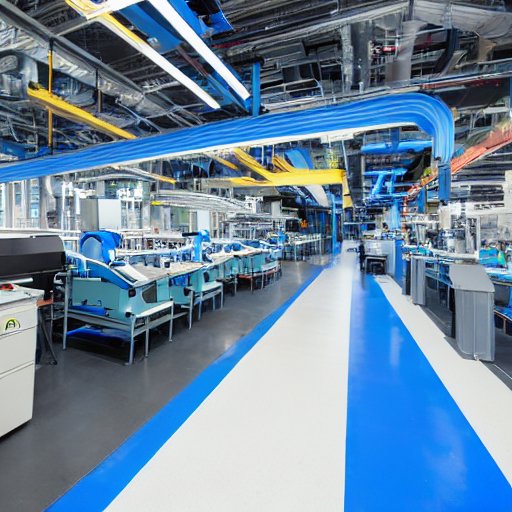
Today’s robotics ecosystem is a tapestry of specialized hardware and sophisticated AI software. In manufacturing, AI‑driven robotic arms perform tasks ranging from precision welding to complex assembly, guided by computer vision and predictive analytics. Service robots in hospitality and healthcare use natural language processing (NLP) to interact with humans, while autonomous drones leverage reinforcement learning to navigate dynamic environments.
The integration of AI into robotics typically follows a layered architecture: perception, decision‑making, and actuation. Perception modules—often powered by convolutional neural networks (CNNs)—interpret sensor data, while decision‑making layers use planning algorithms or LLMs to generate action plans. Actuation hardware then executes these plans with high precision. This modularity allows for incremental upgrades, but it also introduces complexity in ensuring end‑to‑end safety and reliability.
One of the most significant advances is the use of LLMs to generate code for robotic control systems. By translating natural language instructions into executable scripts, these models reduce the barrier to entry for non‑expert users and accelerate prototyping. However, the opacity of LLMs raises concerns about unintended behaviors, especially when deployed in safety‑critical contexts.
3. Ethical and Safety Implications
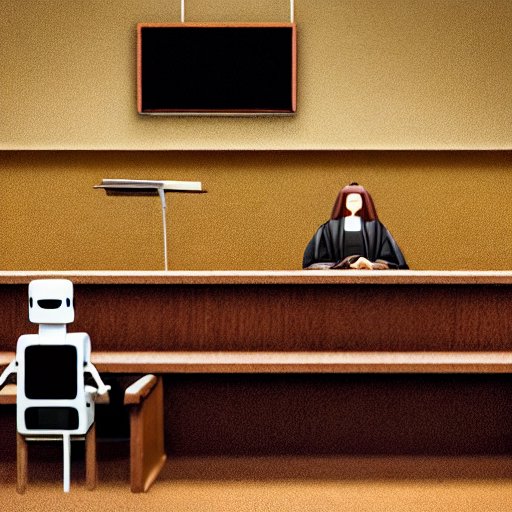
Embedding AI into robotics amplifies both the benefits and the risks. On the positive side, AI can enhance safety by predicting equipment failures, optimizing task allocation, and reducing human exposure to hazardous environments. On the downside, opaque decision‑making processes can lead to unintended harm, especially if robots act autonomously in complex, real‑world scenarios.
The Three Laws provide a conceptual framework for addressing these concerns, but practical implementation requires rigorous verification and validation. Formal methods, such as model checking and runtime monitoring, can help ensure that robotic behaviors remain within defined safety envelopes. Additionally, human‑in‑the‑loop (HITL) interfaces must be designed to allow operators to override or intervene in robotic actions when necessary.
Regulatory bodies are beginning to recognize the need for standardized safety protocols. The European Union’s AI Act, for instance, mandates risk assessments for high‑risk AI systems, including those used in robotics. In the United States, the National Institute of Standards and Technology (NIST) has published guidelines for AI safety in industrial settings, emphasizing transparency, traceability, and accountability.
Ethical considerations also extend to the societal impact of widespread robotic automation. As robots take on more roles—whether in caregiving, logistics, or manufacturing—questions arise about job displacement, data privacy, and the moral status of intelligent machines. Addressing these issues requires a multidisciplinary approach that brings together technologists, ethicists, policymakers, and the public.
4. Emerging Applications and Use Cases
The convergence of AI and robotics is unlocking transformative applications across diverse sectors:
- Healthcare: AI‑guided surgical robots can perform minimally invasive procedures with unprecedented precision, reducing recovery times and improving outcomes. LLMs can assist surgeons by providing real‑time diagnostic insights and procedural recommendations.
- Agriculture: Autonomous drones equipped with AI can monitor crop health, detect pests, and optimize irrigation, leading to higher yields and reduced resource consumption.
- Disaster Response: Robots capable of navigating rubble and hazardous environments can search for survivors, deliver supplies, and assess structural integrity, all while minimizing human risk.
- Space Exploration: AI‑powered rovers and manipulators can adapt to unpredictable terrains, conduct scientific experiments, and maintain spacecraft systems autonomously.
Each of these use cases illustrates how AI can extend the capabilities of robots beyond pre‑programmed routines, enabling them to learn from data, adapt to new contexts, and collaborate with humans in real time.

5. The Road Ahead: Governance and Collaboration
The future of AI‑powered robotics hinges on robust governance frameworks that balance innovation with safety. Key elements include:
- Standardized Safety Protocols: Adoption of industry‑wide standards, such as ISO 10218 and the forthcoming AI Act, will provide clear guidelines for design, testing, and deployment.
- Transparent Development Practices: Open‑source initiatives and public documentation can foster trust and enable independent verification of robotic behaviors.
- Human‑in‑the‑Loop (HITL) Design: Interfaces that allow operators to monitor, override, or adjust AI decisions are essential for maintaining control in critical scenarios.
- International Collaboration: Global forums, such as the IEEE Global Initiative on Ethics of Autonomous and Intelligent Systems, can facilitate cross‑border cooperation and harmonize regulatory approaches.
- Continuous Learning and Adaptation: Robots should be equipped with mechanisms for ongoing learning while preserving safety constraints, ensuring that they evolve responsibly over time.
By embedding these principles into the design, deployment, and regulation of AI‑robotic systems, stakeholders can unlock the full potential of robotics while safeguarding human values and societal well‑being.

Conclusion
Artificial intelligence is no longer a peripheral enhancer; it is the core enabler that transforms robots into intelligent, adaptable partners. As we weave Asimov’s Three Laws into the fabric of modern robotic systems, we confront both the promise of unprecedented efficiency and the imperative of rigorous safety and ethics. The current landscape showcases remarkable integration of AI across perception, decision‑making, and actuation layers, while emerging applications demonstrate the transformative impact of AI‑powered robotics in healthcare, agriculture, disaster response, and beyond. Ultimately, the trajectory of this field will be shaped by governance frameworks that prioritize transparency, accountability, and human oversight. By fostering collaboration across disciplines and borders, we can ensure that the next generation of robots serves humanity safely, ethically, and sustainably.