Introduction
The year 2026 is shaping up to be a watershed moment for consumer technology. As artificial intelligence matures, quantum computing becomes more accessible, and sustainability drives design, the gadgets that will dominate our lives are moving beyond the realm of novelty into practical, everyday tools. From wearables that anticipate health needs to home ecosystems that learn and adapt, the next generation of devices promises to blur the line between human and machine. In this post, we’ll explore the most groundbreaking gadgets set to hit the market in 2026, examining how they work, what problems they solve, and why they matter for the average consumer. Whether you’re a tech enthusiast, a professional looking to stay ahead, or simply curious about the future, this guide will give you a clear snapshot of what’s coming next.
Wearable AI: The Smart Wrist of Tomorrow
Wearable technology has long promised to keep us connected, but the real leap comes with AI integration. In 2026, smartwatches will evolve from simple fitness trackers into comprehensive health assistants. These devices will feature multi-sensor arrays capable of monitoring blood glucose, blood pressure, and even blood oxygen saturation in real time, all without invasive procedures. Coupled with advanced machine learning models, the watch can predict potential health events—such as arrhythmias or hypoglycemic episodes—and alert the wearer before symptoms arise.
Beyond health, the new generation of wearables will incorporate augmented reality (AR) overlays that project contextual information directly onto the user’s field of view. Imagine walking down a busy street and seeing navigation cues, restaurant reviews, or even a live translation of a foreign menu appear as holographic icons on your wrist. The integration of haptic feedback will also allow for discreet notifications, turning the wrist into a subtle communication hub.
The design focus for 2026 wearables is minimalism and sustainability. Manufacturers are using recycled aluminum, biodegradable polymers, and energy-harvesting materials that capture kinetic energy from movement to power the device. Battery life will no longer be a concern, thanks to ultra-low-power chips and graphene-based supercapacitors that can recharge in minutes.


Quantum Smart Devices: Computing at the Speed of Light
Quantum computing has been a buzzword for years, but by 2026 it will start to permeate consumer electronics. Quantum smart devices will bring unprecedented processing power to everyday gadgets, enabling real-time complex problem solving that was previously impossible. Think of a smartphone that can instantly analyze vast datasets for personalized recommendations, or a home assistant that can simulate thousands of scenarios to optimize energy usage in seconds.
The core of these devices is the quantum processor, which uses qubits—quantum bits—that can exist in multiple states simultaneously. This allows for parallel computation on a scale far beyond classical bits. In 2026, manufacturers will release compact, low-power quantum modules that can be integrated into laptops, wearables, and even IoT devices. These modules will be housed in transparent casings to showcase the swirling qubits, providing a visual representation of quantum activity.
Security will also benefit from quantum technology. Quantum key distribution (QKD) will become mainstream, ensuring that data transmitted between devices is virtually unhackable. For consumers, this means safer online transactions, secure communication, and protection against emerging cyber threats.

Sustainable Tech: Devices That Power Themselves
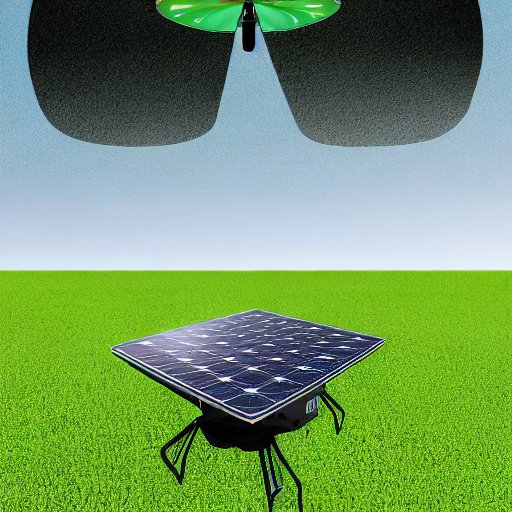
Sustainability is no longer a niche concern; it’s a core design principle. In 2026, gadgets will be engineered to minimize environmental impact through energy harvesting, recyclable materials, and efficient power management. Solar-powered drones, for instance, will become a common sight in logistics and delivery services. These drones will use flexible, high-efficiency photovoltaic cells that can be integrated into their wings, allowing them to recharge mid-flight and extend their operational range.
Smart home devices will also adopt green technologies. Thermostats and lighting systems will use AI to learn occupant habits and adjust settings to reduce energy consumption. Battery packs will be built from solid-state chemistries that offer higher energy density and longer lifespans, reducing the frequency of replacements and the associated waste.
Moreover, manufacturers will adopt circular economy models, offering repair kits and modular components that consumers can replace instead of discarding entire devices. This approach not only reduces e-waste but also fosters a culture of ownership and responsibility.
Immersive Interfaces: The Next Level of Interaction
Interaction paradigms are shifting from touch and voice to full-body immersion. In 2026, immersive interfaces will become mainstream, allowing users to interact with digital content through gestures, eye tracking, and even thought patterns. Full-body haptic suits will provide tactile feedback that matches virtual environments, creating a sense of presence that was previously limited to gaming.
These suits will use micro-actuators embedded in a fine mesh to deliver precise vibrations and pressure cues. When paired with AR glasses or a head-mounted display, users can walk through a virtual city, feel the texture of a virtual object, or even taste a digital representation of food. The technology will be refined to reduce latency, ensuring that haptic feedback is synchronized with visual cues for a seamless experience.
Beyond entertainment, immersive interfaces will revolutionize education and training. Medical students could practice surgeries in a risk-free virtual environment, while engineers could prototype designs in a fully interactive 3D space. The potential for remote collaboration is immense, as teams can meet in shared virtual rooms that feel as real as physical offices.

AI-Integrated Home Ecosystems: Smart Living at Its Finest
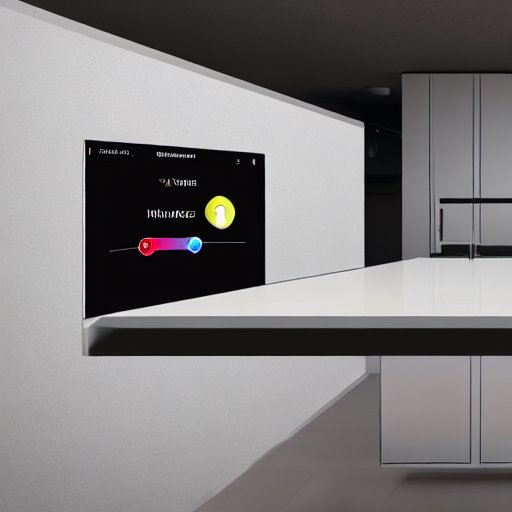
The concept of a smart home has evolved from isolated devices to an interconnected ecosystem that learns, predicts, and adapts. In 2026, AI will be the glue that binds appliances, security systems, and personal devices into a cohesive network. A single AI hub will manage everything from lighting and climate control to grocery inventory and entertainment preferences.
Imagine walking into your kitchen and having the smart assistant automatically adjust the temperature, dim the lights, and start your favorite playlist—all without a single command. The system will use computer vision to recognize occupants, voice recognition to interpret requests, and predictive algorithms to anticipate needs. For example, if the AI detects that you’re preparing a dinner, it can preheat the oven, suggest recipes based on available ingredients, and even order missing items from your online pantry.
Security will also be enhanced through AI-driven surveillance that can distinguish between familiar faces and potential threats, reducing false alarms. Energy management will be optimized by learning usage patterns and adjusting appliances accordingly, leading to significant cost savings.
Conclusion
The gadgets of 2026 promise to redefine how we interact with technology, making it more intuitive, sustainable, and integrated into our daily lives. From AI-driven wearables that monitor our health to quantum processors that solve complex problems in milliseconds, the next wave of devices will blur the boundaries between the physical and digital worlds. Immersive interfaces will bring virtual experiences to life, while AI-integrated homes will anticipate our needs and streamline our routines.
As these innovations become mainstream, consumers will benefit from increased convenience, improved health outcomes, and a reduced environmental footprint. The future is not just about having more gadgets; it’s about having smarter, more responsible technology that enhances our lives in meaningful ways. Stay tuned, stay curious, and get ready to embrace the gadgets that will shape 2026 and beyond.