The landscape of African technology is undergoing a seismic shift, and the epicenter of this transformation is no longer solely in the coastal hubs of Lagos or Nairobi. It is moving inland to the strategic heart of the continent. GITEX Africa 2026 represents a pivotal moment for Morocco, positioning the North African nation as the undisputed gateway for digital innovation across the continent. This summit is not merely a gathering of industry leaders; it is a strategic declaration that Morocco is ready to lead the next wave of technological advancement. As global tech giants and local startups converge on Moroccan soil, the implications for the digital economy are profound. The convergence of policy, infrastructure, and talent creates a unique ecosystem that promises to redefine how Africa connects with the world.

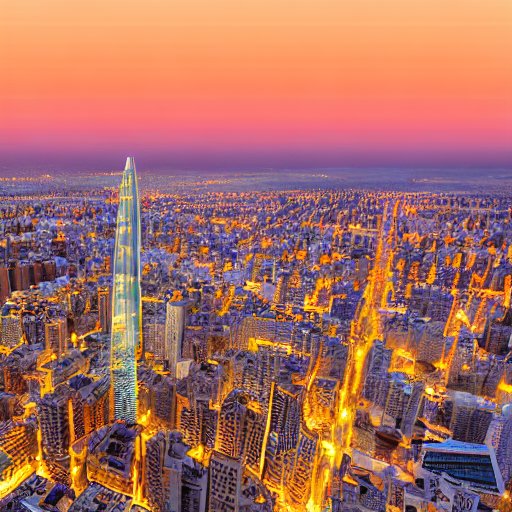
The Strategic Crossroads of North Africa
Morocco’s geographical position is its greatest asset in the digital age. Situated at the intersection of Europe, Africa, and the Atlantic, the country serves as a natural bridge for data and commerce. For GITEX Africa 2026, this location is not accidental; it is calculated. The time zone alignment with Europe facilitates seamless collaboration with Western markets, while the proximity to the African continent allows for rapid deployment of services to emerging economies. This strategic advantage is being leveraged to create a hub that can serve as a testing ground for technologies before they are rolled out globally.
The infrastructure supporting this ambition is already taking shape. High-speed internet connectivity is expanding rapidly, ensuring that remote areas are not left behind in the digital divide. The government has prioritized digital sovereignty, ensuring that data remains secure and compliant with international standards. This approach builds trust among international investors who are wary of data privacy issues in other regions. By establishing a secure digital environment, Morocco is inviting the world to build their future here. The summit will showcase how this location can facilitate cross-border trade and digital services that benefit the entire continent.
Building Ecosystems for Innovation
The success of any tech summit depends on the health of its local ecosystem. Morocco is actively cultivating an environment where innovation can thrive. This involves more than just hosting conferences; it requires nurturing a community of creators, developers, and entrepreneurs. The country has established numerous incubators and accelerators that provide funding, mentorship, and resources to early-stage startups. These institutions are designed to help local talent scale their businesses and compete on a global stage.
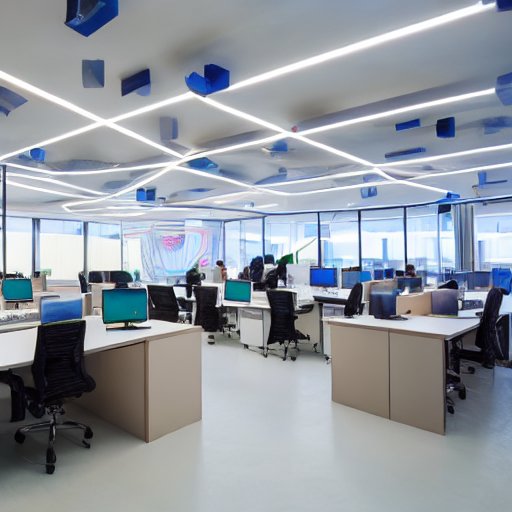
At GITEX Africa 2026, the focus will be on connecting these local efforts with global networks. The summit aims to foster partnerships that allow Moroccan startups to access international markets. This is crucial for the sustainability of the tech sector. Without access to global markets, local innovations often struggle to find traction. By facilitating these connections, the summit ensures that the innovations born in Morocco can solve problems across the continent and beyond. The presence of venture capital firms and angel investors at the event signals a strong commitment to financial support for these ventures.
Infrastructure and Digital Sovereignty
Robust infrastructure is the backbone of any digital economy. Morocco is investing heavily in data centers, 5G networks, and cloud computing capabilities. These investments are essential for supporting the growing demand for digital services. The government has made digital sovereignty a priority, ensuring that critical data is stored within secure local boundaries. This reduces the risk of data breaches and ensures compliance with international regulations.

The summit will highlight specific projects that demonstrate the scale of these investments. Visitors will see how the infrastructure supports everything from e-government services to fintech applications. Reliability is key for businesses that depend on constant connectivity. The expansion of 5G networks ensures that latency is minimized, allowing for real-time applications like autonomous vehicles and remote surgery. These advancements are not just theoretical; they are being implemented in real-world scenarios. The commitment to infrastructure ensures that the digital future is built on a solid foundation.
Attracting Global Investment and Partnerships
Investment is the fuel that drives technological growth. Morocco is actively seeking partnerships with global tech giants to bring their expertise to the region. This collaboration brings not only capital but also knowledge transfer and best practices. The summit serves as a platform for announcing new investment deals and joint ventures. These partnerships are designed to create jobs and stimulate the local economy.

The ease of doing business in Morocco is a major draw for international investors. Regulatory frameworks are being streamlined to reduce bureaucracy and speed up project approvals. This efficiency is crucial for maintaining investor confidence. The summit will feature panels discussing the legal and financial structures that support these investments. Transparency is a key theme, as investors need to know that their funds are being used effectively. The goal is to create a self-sustaining tech economy that does not rely solely on foreign aid.
Sustainability and Green Technology
The future of technology must be sustainable. Morocco is leading the way in green technology initiatives, integrating renewable energy into its digital infrastructure. The summit will showcase how tech can be used to combat climate change and promote environmental stewardship. This includes using AI to optimize energy consumption in data centers and developing smart grids that reduce waste.
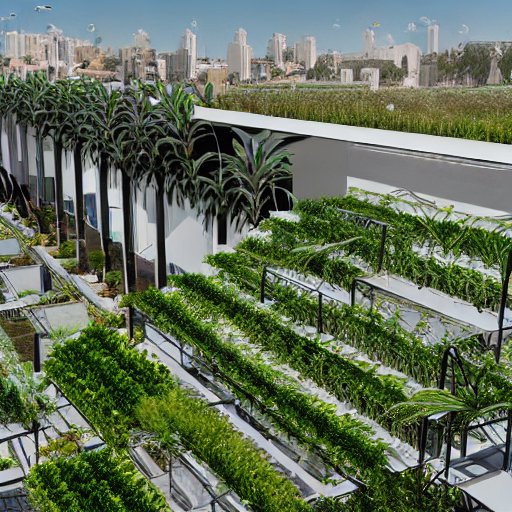
Sustainability is not just a buzzword; it is a core pillar of the national strategy. By investing in green tech, Morocco positions itself as a leader in the global race for clean energy solutions. This approach attracts environmentally conscious investors who want to support responsible business practices. The summit will feature case studies on how tech companies are reducing their carbon footprint. These examples serve as a blueprint for other nations looking to adopt similar strategies. The integration of green tech ensures that the digital future does not come at the expense of the planet.
Conclusion
GITEX Africa 2026 is more than a conference; it is a catalyst for change. Morocco is proving that it has the vision, the infrastructure, and the talent to lead the digital transformation of the continent. The strategic location, combined with a commitment to innovation and sustainability, creates a unique opportunity for the region. As the summit concludes, the legacy will be a stronger digital economy that benefits everyone. The partnerships forged here will last for years, creating a network of collaboration that extends far beyond the event. The digital future of Africa is being written in Morocco, and the world is watching closely.