We live in an age defined by the gadget. From the pocket-sized supercomputer that changed communication to the smart watch that monitors our heartbeats, technology has become an inseparable extension of our physical selves. We are accustomed to the visible interface: the screen, the button, the cable. These devices, while revolutionary, often create a layer of separation—a necessary distance between the user and the technology.
But the technological trajectory is pointing toward something far more profound than just better screens or faster processors. The future of gadgets is not about more visible technology; it is about less visible technology. It is about the point of seamless integration—a future where computing power, connectivity, and intelligence are so deeply woven into our environment and our bodies that they cease to feel like gadgets at all. They simply become part of the background hum of our lives, as natural as breathing or blinking.
This shift represents a paradigm change, moving us from the era of "owning" technology to the era of "inhabiting" intelligence. The devices of tomorrow won’t just assist us; they will anticipate us, adapting to our needs before we even realize them. This is the age of ambient computing, and understanding this transition is key to understanding the next chapter of human existence.
The Human Interface: From Screens to Skin
The most immediate and radical change will occur in how we interact with technology. The current model—looking down at a rectangular screen—is inherently inefficient and distracting. The next generation of computing will move the interface from our hands and faces directly onto our bodies.
Forget bulky smartwatches that require constant checking. The future involves bio-integrated sensors and smart textiles. These are not just fashion accessories; they are sophisticated, discreet data collection points. Imagine clothing that monitors not just heart rate, but subtle changes in sweat chemistry that indicate early signs of stress, dehydration, or even viral load.
These wearable technologies will become so lightweight and aesthetically integrated that they are virtually undetectable. They will read our physiological data, interpret it using advanced AI, and communicate actionable insights back to us—perhaps through a subtle haptic vibration or a whispered audio cue—without ever requiring us to pull out a phone.
This integration fundamentally changes the relationship between us and our health data. Our clothing becomes our first line of defense, our constant, non-intrusive health monitor. The goal is to make data collection a passive, continuous process, allowing us to live our lives fully while simultaneously optimizing our well-being.


The Ambient Home: Computing Without Screens
The concept of the "smart home" has already progressed significantly, but the next phase will render the term obsolete. We are moving toward ambient computing—a living space where intelligence is woven into the very fabric of the architecture itself.
In this future, the house doesn’t have a central hub; the house is the hub. Walls, furniture, and even decorative elements will become interactive surfaces. Lighting will adjust not just for mood, but for optimal circadian rhythm, subtly shifting color temperature throughout the day to support natural sleep cycles and peak alertness. Temperature control will adapt based on the occupants’ real-time metabolic needs.
Interaction will be governed by voice, gesture, and context. You won’t need to tell your home to "play music"; the system will detect the mood and activity of the occupants and initiate the perfect soundtrack. If you are working, the ambient lighting will shift to a color proven to boost concentration, and the air filtration system will automatically boost oxygen levels.
The greatest shift here is the disappearance of the dedicated "gadget." The thermostat, the speaker, the security camera—they will all be replaced by intelligent materials and invisible processors. The home becomes a responsive, nurturing organism that manages the complex variables of human life, allowing us to simply exist without managing our environment.
Spatial Computing: The Augmented Reality Layer
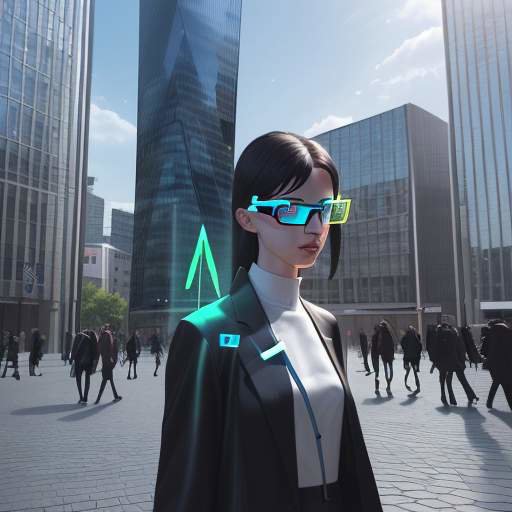
Perhaps the most transformative gadget of the next decade will be the evolution of augmented reality (AR). We are moving beyond clunky VR headsets toward lightweight, sophisticated smart glasses that act as transparent overlays onto our natural vision. These devices will not just display information; they will contextualize it.
Spatial computing means that the digital world and the physical world will no longer exist in separate spheres. Instead, they will merge seamlessly.
Imagine walking down a historic street. Instead of needing a guidebook or pulling out your phone, your smart lenses will overlay historical information onto the buildings you pass, showing you how the architecture looked 200 years ago. When you walk into a museum, the display will not be on a plaque; the information will appear anchored to the specific artifact you are looking at, appearing as if it were part of the object itself.
This technology will revolutionize everything from education and surgery to retail. A mechanic won’t need a manual; the glasses will project a real-time, step-by-step holographic guide directly onto the engine block. Architects will be able to walk through a space and see the proposed structure overlaid in real-time, adjusting materials and dimensions on the fly.
The true genius of spatial computing is that it makes information omnipresent but invisible. It is a cognitive layer that enhances perception without demanding our full attention, allowing us to process the richness of our environment while simultaneously accessing limitless data.
Mobility and Connectivity: The Autonomous Ecosystem
Our relationship with transportation is on the verge of its greatest overhaul since the invention of the internal combustion engine. The future of mobility will be defined by the complete dissolution of the "gadget" concept, replaced by an interconnected, autonomous ecosystem.
Self-driving vehicles will be the most visible manifestation of this shift, but the technology will extend far beyond the car itself. We are moving toward multimodal, integrated travel networks where the journey itself is optimized by a central, intelligent AI.
Imagine stepping out of a personalized, electric vehicle that doesn’t just drive you to the station, but communicates with the station’s AI, which has already reserved your optimal charging spot and linked your ticket purchase directly to your biometric profile. The vehicle itself will function as a mobile command center, providing real-time environmental data, personalized entertainment, and direct communication with the next leg of your journey—whether that’s a hyperloop pod or a drone shuttle.
The car ceases to be merely a container for people; it becomes a dynamic, intelligent extension of the user’s life, capable of optimizing travel time, reducing carbon footprint, and managing logistics entirely in the background. The vehicle’s internal surfaces will be dynamic displays, capable of transforming from a workspace into a cinema lounge with a simple voice command.
Health and Wellness: Bio-Digital Symbiosis
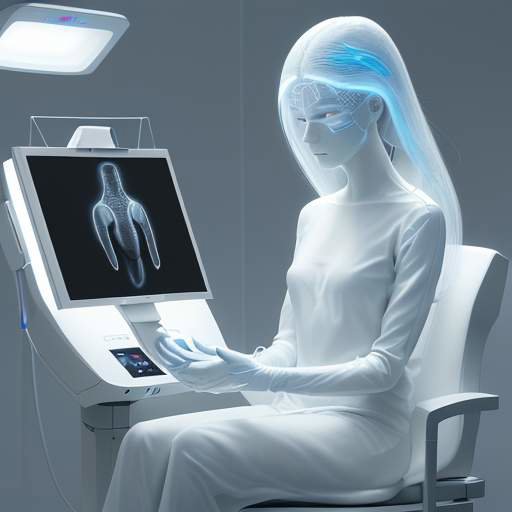
Perhaps the most intimate and profound integration will occur in the realm of human health. The future of gadgets is moving toward bio-digital symbiosis—a partnership where technology doesn’t just monitor the body, but actively participates in its maintenance and optimization.
This involves advanced, non-invasive medical devices that read our biological signals with unprecedented accuracy. Think of dermal patches that continuously monitor blood glucose levels, stress hormones, and vitamin deficiencies, providing data far richer than a simple blood test.
Furthermore, the concept of personalized medicine will be driven by this constant stream of data. An AI, fed by your continuous bio-readings, can predict illness weeks before symptoms manifest. It can alert you to the subtle changes in your gait that suggest an impending fall risk, or flag a dietary pattern that is negatively impacting your gut microbiome.
The gadget becomes the ultimate preventative care tool. It empowers us to transition from a reactive medical model (treating illness) to a proactive, predictive model (preventing illness). This shift promises not just longer lives, but healthier, more optimized lives, where the technology acts as a silent, vigilant guardian.
The Ethical Imperative: Navigating the Merged World
As technology becomes more seamless and invisible, a critical new challenge emerges: privacy and autonomy. When our homes, clothes, and bodies are all connected data points, who owns that data? How do we maintain our personal boundaries when the environment itself is constantly listening and learning?
The development of these integrated gadgets must therefore be accompanied by radical advancements in ethical AI and decentralized data ownership. The focus must shift from simply what the technology can do to who controls the data it generates and how that data is used.
The true measure of success for the next generation of gadgets will not be measured by their processing power, but by their ability to enhance human freedom and maintain human dignity. The seamless future requires seamless ethical governance.

Conclusion: Living in the Algorithm
The trajectory of technology is clear: we are moving away from the gadget and toward the intelligence. The visible screens, the dedicated devices, and the physical separation between user and machine are relics of a previous era.
The future of technology is one of invisibility. It is a world where computing power is ambient, where our homes are responsive ecosystems, and where our bodies are our most advanced, connected sensors. This integration promises a life of unparalleled convenience, optimization, and insight.
However, this profound shift carries with it a monumental responsibility. As we invite these intelligent systems deeper into the core of our existence, we must remain vigilant. The ultimate gadget of the future will not be a physical object; it will be the ethical framework and the human wisdom required to harness this power responsibly.
The seamless life awaits, but mastering the integration of technology—ethically, intelligently, and consciously—will be the defining human skill of the 21st century.