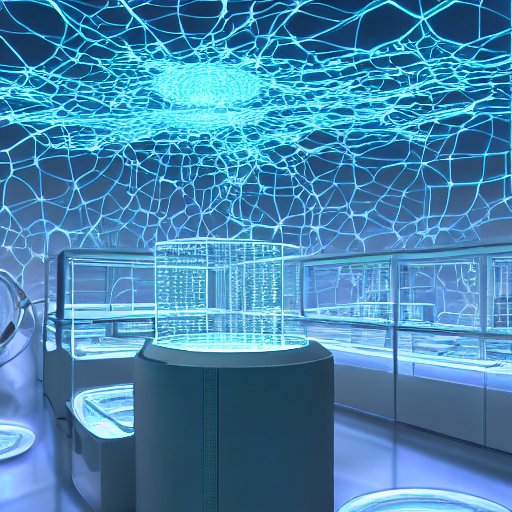
The intersection of biology and technology has always been a frontier of human curiosity, but a new chapter is being written that promises to redefine the very nature of computing. For decades, we have relied on silicon chips and transistors to process information, yet these materials are energy-intensive and prone to physical degradation. Now, a groundbreaking development from Cortical Labs suggests that the future of artificial intelligence might not be built in a factory, but grown in a petri dish. This article explores the revolutionary concept of living brain cells running software, the science behind bio-computing, and the profound implications for the future of AI and sustainability.
The Science of Living Hardware
At the heart of this innovation is the concept of “wetware.” Unlike traditional hardware, which relies on rigid electronic circuits, wetware utilizes living neurons to perform computational tasks. Cortical Labs has developed a method to culture neurons in a way that allows them to form complex networks capable of learning and processing data. These neurons are not merely passive biological components; they are active participants in the computational process.
The process begins with the careful selection of neural stem cells, which are then guided to differentiate into specific types of neurons. These cells are grown in a controlled environment that mimics the conditions of the human brain. The key breakthrough lies in the ability to interface these living cells with electronic systems. By using microelectrode arrays, scientists can read the electrical signals generated by the neurons and translate them into digital data. This bidirectional communication allows the living tissue to receive instructions and output results, effectively functioning as a biological processor.

How Bio-Computing Works
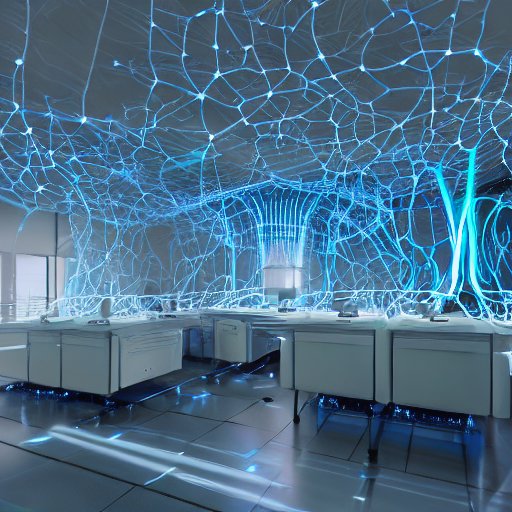
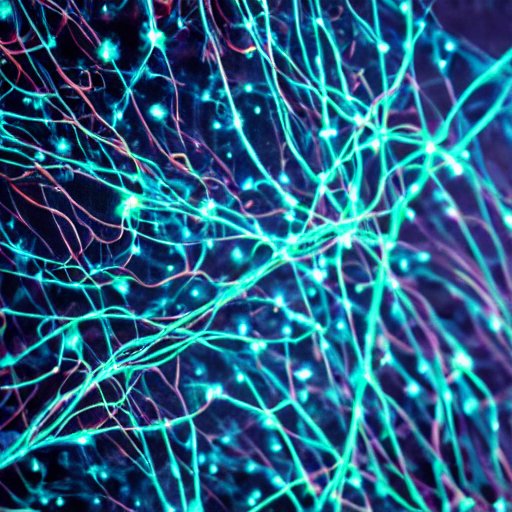
Understanding how these living cells compute requires a look at the fundamental principles of neural networks. In a traditional computer, logic gates are implemented using transistors that switch on and off. In a bio-computer, the logic is implemented through the firing of neurons and the strengthening of synapses. When a neuron fires, it sends an electrical impulse to connected neurons, creating a pattern of activity that represents information.
The training of these biological networks is where the magic happens. By applying specific electrical stimuli, researchers can teach the neural cultures to perform tasks such as pattern recognition or simple decision-making. This process is analogous to how the human brain learns through experience. The neurons adapt their connections based on the input they receive, a phenomenon known as neuroplasticity. This adaptability is a significant advantage over static silicon hardware, which cannot physically change its structure to learn new tasks without external reprogramming.
However, the challenge lies in the complexity of the connections. While a single neuron is simple, the network of billions of connections required for advanced AI is immense. Cortical Labs is working on scaling these cultures to include more neurons while maintaining the stability of the network. They are also developing algorithms that can optimize the growth of the neural tissue to ensure efficient connectivity. This biological approach offers a level of parallel processing that is difficult to achieve with current electronic architectures.
The AI Integration
Integrating artificial intelligence with living tissue is not just about using biology as a component; it is about creating a symbiotic relationship between the two. The AI models are trained to interact with the biological substrate, guiding the neurons to form specific pathways. This integration allows for a form of AI that is inherently energy-efficient and potentially self-repairing.
The implications for AI development are profound. Traditional AI models require massive amounts of energy and computational power, leading to significant environmental costs. Bio-computing, by contrast, operates at a much lower energy level, as the neurons use chemical energy derived from glucose. This could lead to a new era of sustainable computing, where AI systems are powered by renewable biological processes.
Furthermore, the ability to physically repair damaged components offers a new dimension to AI resilience. If a section of the neural network is damaged, the remaining neurons can potentially reorganize to compensate, a feature that is impossible in current electronic hardware. This self-healing capability could lead to more robust and reliable AI systems, capable of operating in harsh environments where traditional electronics would fail.
Sustainability and Energy Efficiency
One of the most compelling arguments for bio-computing is its potential to revolutionize the energy landscape of the tech industry. Data centers currently consume a staggering amount of electricity, contributing significantly to global carbon emissions. Bio-computing offers a pathway to drastically reduce this footprint.
The neurons in a bio-computer operate at a fraction of the power consumption of a silicon chip. They do not require the constant flow of electricity to maintain their state; instead, they rely on a steady supply of nutrients. This means that the energy required to run a bio-computer is comparable to that of a small household appliance, rather than a massive industrial facility.
Moreover, the materials used in bio-computing are biodegradable. Unlike the toxic waste generated by the production and disposal of electronic components, biological materials can be safely returned to the environment. This circular approach to technology aligns with the growing global push for sustainability and environmental responsibility.
Future Applications and Challenges
The potential applications of bio-computing extend far beyond simple data processing. Imagine medical devices that use living neurons to monitor and respond to the body’s needs in real-time. Such devices could be implanted directly into the body, providing a seamless interface between biology and technology. This could lead to breakthroughs in treating neurological disorders, enhancing cognitive function, and even creating new forms of prosthetics.
However, there are significant challenges to overcome before this technology can be widely adopted. One of the primary hurdles is the scalability of the neural cultures. Growing a network of neurons that is large enough to perform complex tasks is a difficult engineering challenge. Additionally, the lifespan of the neurons is a concern; they must be maintained in a viable state for extended periods.
Researchers are also working on improving the interface between the biological and electronic components. The current methods of connecting neurons to electrodes are not yet perfect, and there is a need for more efficient and less invasive techniques. These challenges are being addressed through ongoing research and development, with the promise of significant advancements in the near future.
Conclusion
The development of living brain cells to run AI represents a paradigm shift in the way we think about computing. By harnessing the power of biology, we are opening up new possibilities for sustainable, efficient, and resilient technology. While there are challenges to overcome, the potential benefits are too great to ignore.
As we stand on the brink of this new era, it is clear that the future of AI will not be built solely in silicon, but in a collaboration between the organic and the digital. Cortical Labs and other pioneers in this field are paving the way for a future where technology and nature work in harmony. This breakthrough is not just a scientific achievement; it is a step towards a more sustainable and intelligent world.
The journey from petri dish to processor is just beginning, and the implications for humanity are vast. As we continue to explore the boundaries of what is possible, we must remain mindful of the ethical considerations that come with such powerful technology. The integration of living cells into AI systems raises questions about the nature of consciousness and the role of biology in our digital age.
Ultimately, the goal is to create a technology that enhances human life without compromising our planet. Bio-computing offers a path forward that aligns with our values of sustainability and respect for life. As we move forward, we must ensure that this technology is developed responsibly, with a focus on the well-being of both humanity and the environment.
The future of AI is not just about faster processors or more powerful algorithms; it is about creating a technology that is in tune with the natural world. By embracing the potential of living systems, we are taking a bold step towards a future where technology and biology coexist in a symbiotic relationship. This is the promise of Cortical Labs and the bio-computing revolution.