West Virginia has long been defined by its coal history, but a new chapter is being written in the heart of Mason County. A groundbreaking partnership between Microsoft and local stakeholders signals a massive shift toward artificial intelligence development within the region. This initiative promises to transform the local economy, bringing high-tech jobs and modern infrastructure to rural communities that have historically struggled with economic stagnation. The announcement has sent ripples through the state’s political and business sectors, suggesting that West Virginia is ready to embrace its future as a leader in the digital age. For residents, this means more than just headlines; it represents tangible opportunities for career growth and educational advancement. As we explore the details of this partnership, it becomes clear that this is not merely a corporate expansion but a strategic investment in the human capital of the Appalachian region. The implications extend far beyond Mason County, offering a blueprint for rural revitalization across the United States.
The Announcement and Scope of Investment
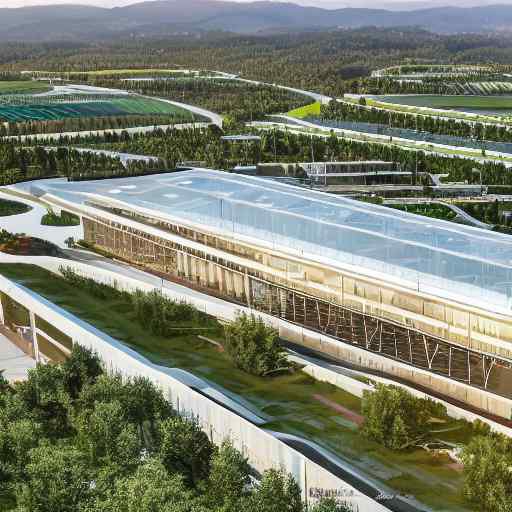
The partnership represents one of the largest technology investments ever made in West Virginia’s history. Microsoft has committed significant resources to build a dedicated AI campus that will serve as a hub for research, development, and talent acquisition. This facility is designed to attract top-tier engineers and data scientists who are eager to work on cutting-edge projects without leaving their families behind. The scope of the investment includes not only physical construction but also funding for local educational programs aimed at preparing students for these new roles. By establishing a permanent presence in Mason County, Microsoft aims to create a sustainable ecosystem where technology thrives alongside traditional industries. This approach ensures that the benefits of the digital economy are shared broadly rather than concentrated in major metropolitan areas. The project timeline suggests rapid deployment, with initial phases expected to launch within the next year. Local government officials have expressed strong support, citing the need for diversification and resilience against market fluctuations. The campus will likely house cloud computing services, AI training centers, and collaborative workspaces that foster innovation. This level of commitment demonstrates a confidence in the region’s potential to host world-class technology operations.

Economic Ripple Effects Across West Virginia
The economic impact of this development is expected to be profound and far-reaching. High-paying jobs will be created directly within the campus, but the multiplier effect will benefit surrounding communities through increased spending and local business growth. Families who have historically faced unemployment or underemployment now see a pathway to stable careers in high-demand fields. This influx of talent also helps retain young professionals who might otherwise leave the state for opportunities in coastal cities. By keeping skilled workers in West Virginia, the partnership addresses the critical issue of brain drain that has plagued the region for decades. Small businesses in Mason County will benefit from proximity to a major tech hub, potentially leading to new partnerships and supply chain opportunities. The presence of Microsoft also encourages other technology firms to consider relocating or expanding their operations in the area. This creates a competitive advantage for West Virginia as it positions itself as an emerging tech corridor. Furthermore, the increased tax revenue generated by these new enterprises will allow local governments to invest further in public services and infrastructure improvements.
Transforming Local Education with Artificial Intelligence
Education is the cornerstone of this transformation, ensuring that the workforce is ready for the future. Microsoft plans to integrate advanced AI tools into local school curricula, providing students with hands-on experience in coding and data analysis. Teachers will receive specialized training to incorporate these technologies effectively into their lessons without overwhelming existing resources. This initiative aims to bridge the digital divide by ensuring every student has access to high-quality learning materials regardless of their socioeconomic background. Vocational schools and community colleges will also update their programs to align with industry standards, creating a seamless pipeline from education to employment. Students will learn not just how to use AI, but how to build and regulate it responsibly. This focus on ethics and responsibility is crucial as the technology becomes more integrated into daily life. By empowering the next generation with these skills, West Virginia ensures that its youth remain competitive in a global job market. The partnership also includes scholarships and mentorship programs designed specifically for underrepresented groups in STEM fields.
Infrastructure Upgrades and Digital Connectivity
To support the new campus and its operations, significant upgrades to local infrastructure are underway. High-speed internet connectivity is being expanded to ensure that remote work and cloud-based services function seamlessly across the region. Data centers will be established to store and process the massive amounts of information generated by AI applications. These facilities require reliable power grids and cooling systems, prompting investments in renewable energy sources like solar and wind. The goal is to create a resilient infrastructure that can withstand disruptions while supporting high-performance computing needs. Upgrading roads and transportation links will also facilitate easier movement for employees and visitors. This modernization extends beyond the immediate campus area, benefiting the entire county through improved public services and emergency response capabilities. Reliable connectivity is essential for telemedicine, remote learning, and e-commerce, all of which are growing sectors in West Virginia. By addressing these foundational needs, the partnership lays the groundwork for long-term sustainability and growth.

Community Health and Agricultural Innovation
Beyond technology and education, the partnership aims to improve quality of life through applications in healthcare and agriculture. AI-driven diagnostics can help local hospitals identify diseases earlier, leading to better patient outcomes in rural areas where specialists are scarce. Precision agriculture tools will assist farmers in optimizing crop yields while reducing environmental impact, a critical concern for Appalachian soil conservation. These innovations support the agricultural sector, which remains a vital part of Mason County’s identity. By integrating technology into traditional farming practices, the region can maintain its heritage while adopting modern efficiency standards. Healthcare workers will use AI to manage patient records more effectively, reducing administrative burdens and allowing more time for direct care. This holistic approach ensures that technological advancement does not come at the expense of community well-being. The partnership fosters a culture where innovation serves the people, rather than replacing them.

Conclusion
The Microsoft partnership with Mason County marks a pivotal moment for West Virginia’s technological future. By investing heavily in infrastructure, education, and community development, this initiative offers a model for how rural regions can thrive in the digital economy. The transformation is not just about building a new campus; it is about rebuilding confidence in the region’s potential. As the project moves forward, the focus remains on inclusivity and sustainability, ensuring that all residents benefit from the progress. West Virginia stands ready to lead by example, proving that innovation can flourish outside of traditional tech hubs. The coming years will be crucial as the full impact of these investments becomes visible in job markets and community health metrics. For now, the message is clear: the future is bright, and it is being built right here in Mason County.