The global energy landscape is undergoing a seismic shift. Traditional fossil‑fuel plants are being eclipsed by a diverse array of renewable and innovative generation technologies that promise cleaner, more resilient, and more efficient power. From the sun’s relentless rays to the earth’s hidden heat, from the rhythmic pull of ocean tides to the silent hum of advanced batteries, the future of electricity is being rewritten. This article explores the most promising new generation methods, their technological breakthroughs, and the economic and environmental impacts that will shape the next decade of power production.
Solar Power 2.0: Beyond PV Panels
Photovoltaic (PV) solar has long been the poster child of renewable energy, but the next generation of solar technology is pushing the boundaries of efficiency, flexibility, and integration. Perovskite solar cells, for instance, have achieved laboratory efficiencies exceeding 30 % and can be manufactured on flexible substrates, enabling installations on rooftops, vehicles, and even building facades. Tandem cells that stack perovskite on top of silicon capture a broader spectrum of sunlight, further boosting output.
Beyond the panels themselves, smart inverters and micro‑grid controllers are turning solar farms into dynamic, self‑optimizing systems. These devices adjust output in real time to match grid demand, store excess energy, and even provide ancillary services like frequency regulation. Coupled with advanced forecasting algorithms, solar farms can now predict output with unprecedented accuracy, reducing curtailment and improving grid stability.

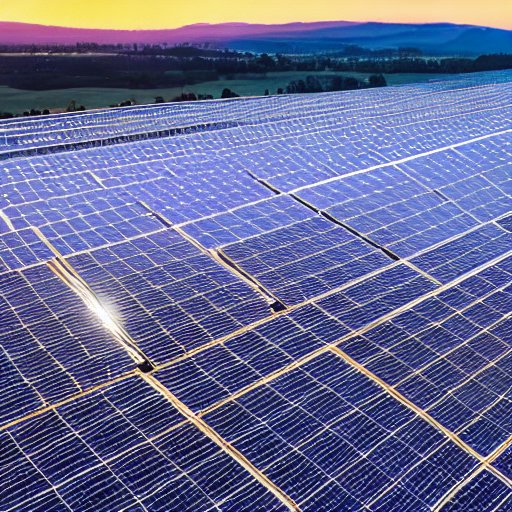
The integration of solar with energy storage and demand‑response systems is creating a new paradigm of “solar‑first” grids. In many regions, utilities are now prioritizing solar generation, using storage to smooth out intermittency and ensuring that the cleanest energy is delivered when it is most needed. As costs continue to fall and efficiency climbs, solar is poised to become the backbone of a low‑carbon electricity mix.
Wind Energy: From Onshore to Offshore
Wind power has matured into a reliable and cost‑effective source of electricity, but the next wave of innovation is focused on offshore installations and advanced turbine designs. Offshore wind farms benefit from stronger, more consistent winds and can be located closer to high‑density coastal cities, reducing transmission losses. Floating turbines, which can be deployed in deeper waters, are expanding the geographic reach of offshore wind, opening up vast new resource areas.
Onshore turbines are also evolving. Blades are now being designed with adaptive materials that adjust their pitch and shape in response to wind conditions, maximizing energy capture while minimizing mechanical stress. Additionally, the use of composite materials and 3D printing is reducing turbine weight and manufacturing costs, allowing for larger, more efficient machines.
Smart grid integration is another critical component. Advanced sensors and AI algorithms monitor turbine performance, predict maintenance needs, and optimize power output across entire wind farms. This predictive maintenance reduces downtime and extends the lifespan of turbines, while real‑time data feeds enable grid operators to balance supply and demand more effectively.
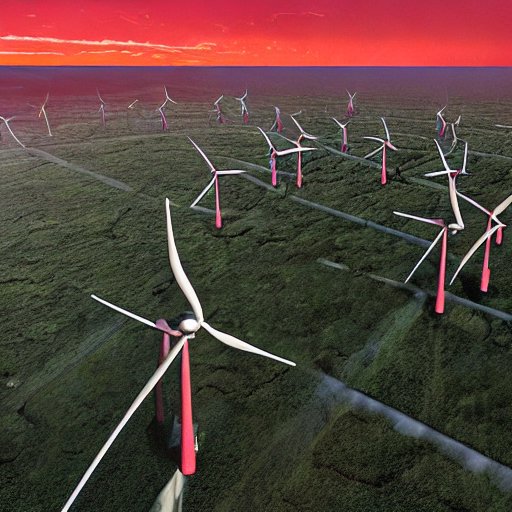
The combination of offshore wind’s high capacity factor and onshore turbines’ rapid deployment makes wind a cornerstone of many national renewable targets. As technology advances, wind farms are becoming more modular, easier to install, and less disruptive to local ecosystems, paving the way for widespread adoption.
Geothermal: Harnessing Earth’s Heat
Geothermal energy taps into the planet’s internal heat, providing a stable, baseload power source that is both reliable and low‑emission. Traditional geothermal plants rely on high‑temperature reservoirs, but new technologies are expanding the accessible resource base. Enhanced Geothermal Systems (EGS) use hydraulic fracturing to create artificial reservoirs in hot, dry rock formations, dramatically increasing the geographic potential for geothermal power.
EGS plants can operate at temperatures as low as 150 °C, enabling electricity generation in regions previously considered unsuitable. Moreover, the closed‑loop systems used in EGS reduce water consumption and mitigate the risk of induced seismicity, addressing two of the main environmental concerns associated with geothermal development.
Beyond electricity, geothermal heat can be used for district heating, greenhouse cultivation, and industrial processes, creating a diversified revenue stream for geothermal projects. Coupled with advanced heat exchangers and heat‑to‑power conversion technologies, geothermal can provide both electricity and thermal energy from a single resource.
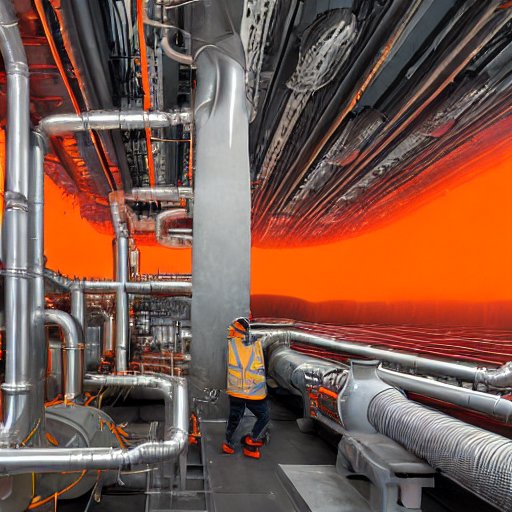
Geothermal’s ability to provide continuous power regardless of weather conditions makes it an ideal complement to intermittent renewables like solar and wind. As drilling technologies improve and costs decline, geothermal is poised to play a pivotal role in achieving deep decarbonization goals.
Tidal and Wave: Oceanic Power Unleashed
The ocean’s kinetic energy is a largely untapped resource, offering a predictable and abundant source of electricity. Tidal turbines, which capture energy from the rise and fall of tides, have matured to the point where commercial projects are now operational in several countries. These turbines are typically installed in shallow, fast‑flowing estuaries, where the tidal range can exceed 5 m, delivering a consistent power output.
Wave energy converters (WECs) harness the motion of surface waves, converting them into electricity through oscillating water columns, point absorbers, or floating buoys. Recent advances in materials science and control systems have improved the durability and efficiency of WECs, making them more viable for large‑scale deployment.
Floating offshore wind farms and tidal arrays can be co‑located, creating hybrid platforms that maximize the use of marine space. This synergy reduces installation costs and enhances grid stability by providing multiple sources of renewable power from a single location.

Ocean energy’s predictability—tides follow a strict astronomical cycle—provides a reliable power source that can be scheduled in advance, easing grid integration. As technology matures and economies of scale are realized, tidal and wave power could become significant contributors to coastal energy portfolios.
Energy Storage: Batteries and Beyond
Renewable generation is inherently variable, making energy storage essential for balancing supply and demand. Lithium‑ion batteries have dominated the market, but new chemistries and storage solutions are emerging to address cost, safety, and longevity concerns. Sodium‑sulfur and solid‑state batteries promise higher energy density and longer cycle life, while flow batteries offer scalable, low‑temperature storage ideal for grid‑scale applications.
Beyond batteries, pumped‑hydro storage remains the most mature and cost‑effective large‑scale solution, especially in regions with suitable topography. Emerging technologies like compressed air energy storage (CAES) and flywheel systems are also gaining traction, providing fast‑response capabilities that complement slower battery systems.
Hybrid storage architectures—combining batteries, supercapacitors, and thermal storage—are becoming common in modern power plants. These systems can store excess solar or wind energy during peak production and release it during periods of high demand, smoothing out fluctuations and enhancing grid reliability.

The synergy between advanced storage and renewable generation is the linchpin of a resilient, low‑carbon grid. As storage costs continue to fall—projected to drop by 70 % over the next decade—grid operators will be able to deploy renewables more aggressively, confident that variability can be mitigated.
Conclusion
The next generation of electrical generation technologies is redefining how we produce, store, and consume power. Solar’s new high‑efficiency cells, offshore wind’s floating turbines, geothermal’s expanded resource base, ocean’s kinetic potential, and the rapid evolution of storage systems are converging to create a cleaner, more reliable energy future. These innovations not only reduce greenhouse‑gas emissions but also enhance grid resilience, lower costs, and open new economic opportunities.
As governments, utilities, and investors align around these emerging technologies, the transition to a sustainable energy system will accelerate. The challenge lies not only in technological development but also in policy frameworks, financing mechanisms, and workforce training to ensure that the benefits of this new wave of power reach every corner of society. The era of fossil fuels is waning; the era of diversified, intelligent, and clean electrical generation is here, and it promises a brighter, greener tomorrow.