The world of enterprise IT hardware is changing a lot, mostly because solid state drives are always getting better. As the need for quick and dependable storage grows, firms in all fields are looking at their current infrastructure again. One topic that keeps coming up is if SSDs will totally take the place of traditional hard drives (HDDs) by 2030.
This article looks at how SSD technology has changed over time and how it has been used in businesses that need it the most. It also shows off important models like MZ7L37T6HBLA-00A07 and MZILT7T6HALA-00007, showing off their technological benefits and how they can be used. We look at performance measurements, dependability standards, compatibility issues, and what this means for IT managers and system architects in the future through this lens.
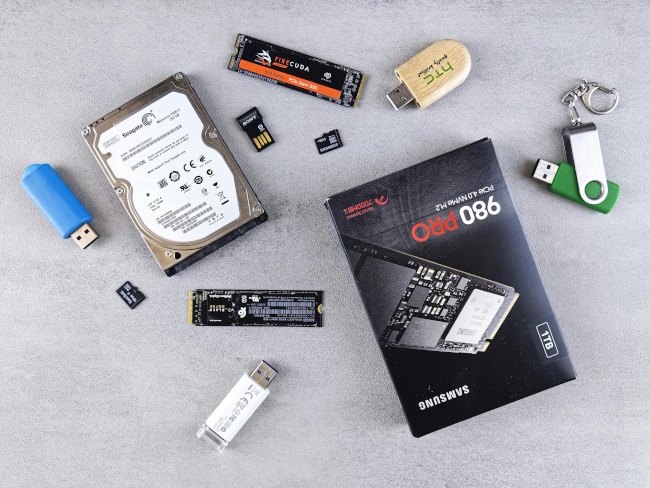

Image source
The Rise of Solid State Drives in Business IT
SSDs use NAND flash memory instead of spinning discs and mechanical arms like HDDs do. This difference gives SSDs a lot of performance benefits, making them the best solution for mission-critical computing.
Primary Benefits of SSDs:
- Exceptional Speed: SSDs drastically reduce boot times, data retrieval latency, and file transfer durations.
- Enhanced Durability: The lack of mechanical components translates to lower failure rates.
- Energy Efficiency: SSDs consume significantly less power, reducing both operational costs and thermal loads in server environments.
- Space Efficiency: Their smaller form factors allow for greater deployment density in rack-mounted server configurations.
Because of these attributes, SSDs are increasingly favored in enterprise-level applications where uptime and speed are non-negotiable.
Fast & Reliable Storage: Enterprise-Level Expectations
Today’s business apps need storage systems that can do more than just hold data. They need designs that make sure data is accurate, always available, and easy to get to, especially in virtualised and dispersed situations.
SSDs fulfill these needs by offering:
- Consistent High-Speed Read/Write: Critical for real-time analytics, transactional systems, and live databases.
- Improved Reliability: Lower hardware failure leads to increased operational continuity.
- Flexible Scalability: Supporting rapid infrastructure growth and high concurrency demands.
As workloads like cloud-native applications, AI operations, and high-frequency trading expand, so does the need for fast and reliable storage.
Enterprise SSDs in Focus: MZ7L37T6HBLA-00A07 & MZILT7T6HALA-00007
Samsung’s corporate SSD range shows off the best in flash-based storage. MZ7L37T6HBLA-00A07 and MZILT7T6HALA-00007 show how high-end SSDs may fulfil the needs of today’s businesses.
MZ7L37T6HBLA-00A07: SATA SSD for High-Capacity Applications
This 7.68TB SSD utilizes the SATA III interface and is optimized for data centers managing extensive read and write operations.
Core Specifications:
- Interface: SATA 6Gb/s
- Storage Capacity: 7.68 Terabytes
- Performance: Read/Write speeds up to 560/530 MB/s
- Endurance Rating: Supports high DWPD (Drive Writes Per Day)
- Physical Format: 2.5-inch enclosure
Ideal Applications:
- Virtual Desktop Infrastructure (VDI)
- On-demand video delivery and archival systems
- OLTP (Online Transaction Processing)
Key Strengths:
- Low power usage for greater energy efficiency
- Robust write endurance for sustained usage
- Hardware-level data integrity and encryption
MZILT7T6HALA-00007: NVMe Power for Performance-Intensive Workloads
Designed to harness the speed of PCIe Gen4, this 7.68TB U.2 form factor SSD delivers exceptional throughput ideal for data-heavy tasks.
Core Specifications:
- Interface: NVMe PCIe Gen4 x4
- Storage Capacity: 7.68 Terabytes
- Performance: Sequential Read/Write up to 6,400/3,900 MB/s
- Endurance Rating: Built for continuous, high-volume I/O
- Form Factor: 2.5-inch U.2 (15mm height)
Ideal Applications:
- Machine learning and artificial intelligence workflows
- High-performance computing (HPC)
- IOPS-heavy enterprise databases
Key Strengths:
- Maximum throughput for I/O-intensive environments
- Advanced heat dissipation and thermal management
- Scalability in complex, modular deployments
Workloads That Gain the Most from SSD Integration
- Artificial Intelligence & Machine Learning: Quick access to massive training datasets.
- Public and Private Cloud Deployments: Rapid provisioning and dynamic scaling.
- Online Retail Platforms: Enhanced transaction speed and search query response.
- Creative Media Studios: Real-time editing and processing of high-res files.
- Financial Markets: Ultra-low latency for trade execution and risk management.
Common Barriers to SSD Deployment and Their Solutions
- Higher Capital Expenditure
Though SSDs present a larger upfront cost, organizations benefit from reduced total cost of ownership (TCO) through:
- Extended lifecycle performance
- Decreased energy bills
- Lower maintenance and downtime costs
- Concerns Over Write Endurance
Thanks to modern firmware enhancements like wear-leveling, over-provisioning, and advanced error correction, today’s enterprise SSDs endure rigorous workloads without degradation.
- Storage Density Comparisons
While HDDs still lead in raw storage per dollar, models like the MZILT7T6HALA-00007 are narrowing the gap, offering both capacity and speed for warm and hot storage tiers.
Enterprise Storage Outlook: SSDs in 2030 and Beyond
Emerging trends point toward SSD dominance in enterprise storage by 2030, driven by:
- Price Reduction Trends: Driven by QLC NAND innovation and larger manufacturing volumes
- Next-Gen PCIe Interfaces: PCIe Gen5 and beyond will further boost transfer rates
- Intelligent Storage Management: AI-based workload optimization
- Sustainability Goals: SSDs require fewer cooling resources, reducing carbon impact
Forward-looking IT teams are already investing in SSDs to meet future operational, environmental, and performance benchmarks.
Final Thoughts
The shift from HDD to SSD technology is well on its way. As solid state drives get better, they are changing how businesses store data. The MZ7L37T6HBLA-00A07 and MZILT7T6HALA-00007 models show how modern SSDs can match the rising standards for performance and reliability in enterprise infrastructure.
While traditional hard drives may still be used in some situations, SSDs are likely to become the standard for most core IT systems. The change might be done by 2030, giving businesses faster access, more reliable storage, and more efficient operations than ever before.