In the rapidly evolving landscape of artificial intelligence, infrastructure is the backbone of innovation. Recently, Akamai Technologies announced a significant expansion of its distributed AI platform by integrating thousands of NVIDIA Blackwell GPUs. This move signals a pivotal shift in how enterprise organizations approach high-performance computing. As large language models and generative AI applications become integral to business operations, the need for scalable, low-latency compute resources has never been greater. Akamai’s decision to deploy this cutting-edge hardware underscores the growing importance of edge computing in the AI ecosystem. By bringing this power closer to the user, companies can reduce latency and enhance the user experience for AI-driven applications. This article explores the technical and strategic implications of this partnership for enterprise AI infrastructure.
The Strategic Shift in Edge Computing
The integration of NVIDIA Blackwell GPUs into Akamai’s network represents more than just an upgrade in hardware; it signifies a fundamental change in where AI processing occurs. Traditionally, heavy AI workloads were offloaded to centralized cloud data centers. However, this approach often introduces latency issues, especially for real-time applications. By deploying Blackwell GPUs at the edge, Akamai enables faster inference times. This is crucial for industries like finance, healthcare, and manufacturing, where milliseconds matter. The edge network allows data to be processed locally, reducing the need to send sensitive information across the internet. This decentralization also improves security, as data stays closer to its source. Furthermore, it optimizes bandwidth usage, which is a critical cost factor for many enterprises. The strategic partnership between Akamai and NVIDIA leverages Akamai’s global reach with NVIDIA’s compute power. This combination creates a robust platform capable of handling the massive data flows required for modern AI models.
Unpacking the Blackwell Architecture
To understand the impact of this deployment, one must look at the architecture of the NVIDIA Blackwell platform. The Blackwell GPU is designed specifically for AI training and inference. It features a massive increase in memory bandwidth compared to previous generations. This allows for faster processing of large datasets. The architecture supports high-throughput operations, which are essential for distributed AI workloads. Akamai’s platform utilizes these GPUs to create a distributed network of compute nodes. This means that AI tasks can be split across multiple locations, improving efficiency. The hardware is optimized for specific AI frameworks, ensuring compatibility with popular tools. Developers can build applications knowing the underlying infrastructure is robust. The energy efficiency of the Blackwell chips is also a key factor. As sustainability becomes a priority for tech companies, reducing power consumption per operation is vital. This hardware allows enterprises to scale their AI capabilities without a proportional increase in energy costs. The sheer density of the compute nodes allows for parallel processing of complex models, which was previously impossible with older hardware generations.
Implications for Enterprise Workloads
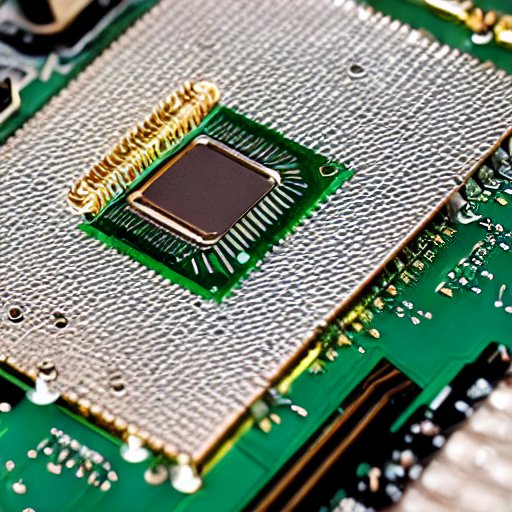
For enterprise customers, the availability of thousands of Blackwell GPUs changes the game for AI development. Large language models require significant compute resources to run effectively. With this new infrastructure, companies can host their own models rather than relying solely on public APIs. This offers greater control over data privacy and customization. Enterprises can fine-tune models for specific industry use cases, such as legal document analysis or medical diagnosis. The distributed nature of the platform means that workloads can be balanced dynamically. If one node is busy, the system routes tasks to another. This ensures high availability and reliability. Additionally, the platform supports a wide range of AI tasks, from image generation to natural language processing. This versatility allows businesses to innovate across multiple departments. The ability to scale up or down based on demand provides financial flexibility. Companies can invest in AI without committing to massive upfront hardware costs. This democratization of high-end compute accelerates the adoption of AI across the enterprise. Supply chain management can utilize these models for predictive analytics, while customer service teams can deploy intelligent chatbots that respond instantly without waiting for cloud round-trips.
Security and Scalability at the Edge
Security is a paramount concern when deploying AI infrastructure. Akamai has a long history of securing web traffic. Integrating Blackwell GPUs into this secure environment adds a layer of protection for AI workloads. The edge network is designed to handle threats before they reach the core. This is particularly important for sensitive enterprise data. Scalability is another key benefit. As AI models grow in complexity, the infrastructure must grow with them. Akamai’s platform is designed to handle this growth seamlessly. The distributed architecture allows for horizontal scaling, adding more nodes as needed. This prevents bottlenecks during peak usage times. The combination of security and scalability makes this platform attractive for regulated industries. Compliance with standards like GDPR and HIPAA is easier when data is processed locally. Enterprises can meet regulatory requirements while still leveraging the power of advanced AI. This balance between security and performance is difficult to achieve but essential for trust. Organizations can now process sensitive PII data without transmitting it over public networks, significantly reducing the risk of data breaches during transmission.

The Future of Distributed AI
Looking ahead, the deployment of Blackwell GPUs sets a new standard for distributed AI. This infrastructure will likely evolve as new models are released. Akamai and NVIDIA will continue to collaborate on optimizing the platform. We can expect to see more specialized tools for developers. The focus will shift towards making AI more accessible to smaller teams. The cost of inference will decrease as the hardware becomes more efficient. This will lower the barrier to entry for AI adoption. The future of AI is not just about bigger models, but smarter deployment. Distributed computing allows for more complex applications that were previously impossible. We are moving towards an era where AI is ubiquitous and integrated into every business process. The infrastructure built today will support the innovations of tomorrow. This partnership ensures that enterprises are ready for the next wave of AI advancements. The convergence of edge computing and high-performance AI will redefine how businesses operate globally.
In conclusion, Akamai’s addition of thousands of NVIDIA Blackwell GPUs marks a significant milestone in enterprise AI infrastructure. This move addresses the critical needs of latency, security, and scalability. By bringing high-performance compute to the edge, Akamai empowers businesses to innovate faster. The partnership between these two industry leaders creates a powerful platform for distributed AI. As the technology landscape continues to evolve, this infrastructure will remain at the forefront of innovation. Enterprises that adopt this platform will gain a competitive advantage. The future of AI depends on robust infrastructure, and Akamai is building that foundation. This announcement is a clear signal that the industry is ready for the next generation of AI capabilities. The integration of these technologies will drive the next phase of digital transformation across all sectors.