In the rapidly evolving landscape of artificial intelligence and automation, a significant milestone has been reached that will reshape the global economy and labor market. Amazon, the undisputed global retail and technology giant, has officially acquired Fauna Robotics. This move signals a profound shift in how we perceive the intersection of cloud computing and physical robotics. As humanoid robots become more sophisticated, the need for robust infrastructure and intelligent processing power grows exponentially. This acquisition is not merely about buying a company; it is about securing a strategic foothold in the next generation of labor automation. By integrating Fauna’s technology with Amazon Web Services, the company aims to solve complex logistical challenges that have plagued the industry for decades. The implications extend far beyond warehouse floors, touching upon the very fabric of how we interact with machines in our daily lives. We are witnessing the convergence of two massive technological pillars: the digital cloud and the physical world. This convergence promises to unlock unprecedented levels of productivity and efficiency across various sectors. The speed of this development suggests that the next decade will be defined by the integration of these technologies. The implications of this deal are far-reaching and will influence investment strategies globally.
The Strategic Move Behind the Acquisition
Why did Amazon choose Fauna Robotics specifically? The answer lies in the unique capabilities Fauna brings to the table, which differ significantly from traditional industrial arms. Fauna focuses on general-purpose humanoid robots capable of adapting to unstructured environments, which is crucial for the modern supply chain where tasks vary from picking fragile items to navigating uneven terrain. Amazon has long been a leader in logistics, but the physical limitations of current robots have hindered full automation. Fauna’s approach offers a solution that bridges the gap between software intelligence and physical dexterity. This strategic acquisition allows Amazon to bypass the years of R&D required to build such systems from scratch. It also positions them against competitors like Tesla and Boston Dynamics, who are also racing to perfect the humanoid form factor. The synergy between Amazon’s vast data resources and Fauna’s hardware innovation creates a formidable competitive advantage. Furthermore, this move signals a commitment to long-term investment in hardware, which is rare for software-centric tech giants. This investment will likely attract top talent from the robotics field, further strengthening their position.

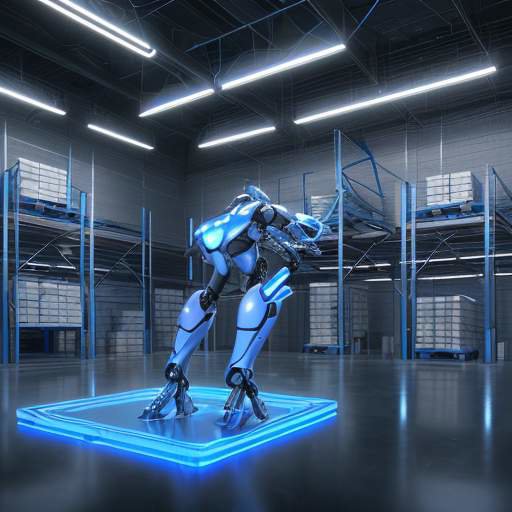
Transforming the Humanoid Robot Landscape
The acquisition sends ripples through the entire robotics industry, validating the technology and accelerating its adoption. For years, humanoid robots were seen as science fiction concepts, but they are now becoming viable commercial products. Amazon’s entry into this space forces other companies to innovate faster to keep pace with Amazon’s resources. This competition will likely drive down costs and improve safety standards. However, it also raises questions about market consolidation. If Amazon dominates this sector, smaller startups might struggle to survive. The landscape is shifting from niche applications to mass deployment. We are moving towards a future where robots are not just tools, but partners in the workforce. This transformation requires a fundamental change in how we train and maintain these machines. The industry standard for robot programming will likely change, moving towards more intuitive interfaces that leverage cloud-based learning models. This shift will make robotics more accessible to a wider range of businesses.

The AWS Cloud Advantage
Cloud computing is the brain behind the brawn of these robots, providing the necessary compute power for real-time decision-making. AWS provides the necessary infrastructure to handle the massive data loads generated by autonomous systems. When a robot encounters an obstacle, it needs to process data instantly. This requires massive cloud infrastructure to handle the latency and processing load. Amazon’s acquisition ensures that Fauna’s robots are deeply integrated with AWS. This means better scalability and reliability. Developers can build applications that leverage the cloud to train models for specific tasks. The edge computing capabilities of AWS allow robots to function even with intermittent connectivity. This integration is key to making autonomous systems truly useful in dynamic environments. The combination of hardware and cloud software creates a closed-loop system that optimizes performance continuously. This architecture ensures that the robots learn from every interaction, improving their capabilities over time without needing physical updates. The security of the data is also paramount, and AWS offers robust solutions for this.

Practical Applications in Enterprise
Where will these robots be used? The primary use case is logistics and warehousing, but the potential is much broader. Retail stores could use them for inventory management and customer assistance. Manufacturing plants could utilize them for assembly tasks that require fine motor skills. Even healthcare facilities might benefit from robots that can transport supplies or assist in patient care. The versatility of humanoid form factors allows them to operate in spaces designed for humans. This reduces the need for expensive retrofits. Companies can deploy robots alongside existing equipment without major changes. This flexibility is a major selling point for enterprise clients. As the technology matures, we will see more diverse applications emerging across different industries. The ability to navigate stairs and doorways makes them suitable for office environments as well. This versatility opens up new revenue streams for the robotics sector. We can expect to see these robots in hospitals, schools, and public spaces soon.

Challenges, Ethics, and Regulation
With great power comes great responsibility. The widespread adoption of humanoid robots brings significant ethical challenges. Job displacement is a major concern for workers in logistics and manufacturing. Governments will need to regulate how these machines are deployed to ensure safety and fairness. There are also questions about data privacy, as these robots collect vast amounts of information. Bias in AI algorithms could lead to unfair treatment of customers or employees. Companies must be transparent about how they use this technology. Public trust is essential for long-term success. Without proper safeguards, the benefits of automation could be outweighed by social costs. Addressing these issues requires collaboration between technologists, policymakers, and the public. We must ensure that the transition to automation is managed in a way that supports the workforce rather than replacing it entirely. Education and retraining programs will be essential to help workers adapt to this new reality.

Conclusion
The acquisition of Fauna Robotics by Amazon marks a pivotal moment in the history of automation. It confirms that humanoid robots are no longer a distant dream but a tangible reality. The integration of advanced cloud computing with physical robotics will redefine the workforce of the future. While challenges remain, the potential for efficiency and innovation is immense. As we move forward, the focus must remain on balancing technological progress with human well-being. Amazon’s move sets a precedent for how tech giants will approach robotics in the coming decade. The future of work is being written today, and it will be shaped by the decisions made in boardrooms like Amazon’s. We are standing on the brink of a new era where machines and humans collaborate seamlessly. This collaboration will define the next chapter of industrial history. The journey ahead is exciting, but it requires careful navigation to ensure a positive outcome for society. Ultimately, the success of this initiative will depend on how well these technologies are integrated into society.