
Amazon has acquired Fauna Robotics, a young startup that builds small, “approachable” humanoid robots meant to share space with people at home and in public places. The deal, reported on March 24, 2026, came just under two months after Fauna unveiled its first robot, Sprout. Financial terms were not disclosed.
Who Is Fauna Robotics?
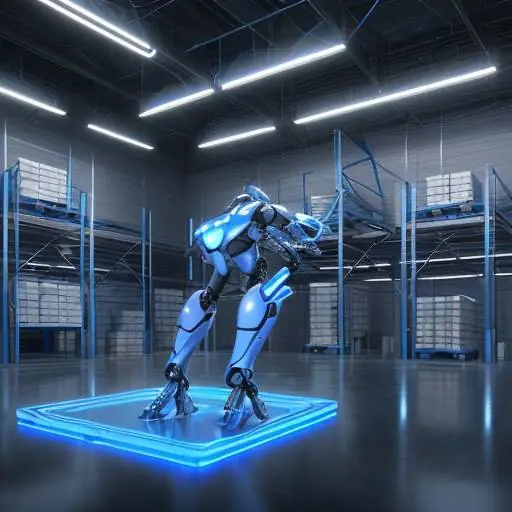
Fauna was founded in 2024 by former Meta and Google engineers, including co-founders Rob Cochran and Josh Merel. Its roughly 50 employees will join Amazon’s Personal Robotics group rather than the warehouse-robotics division that runs Amazon’s fulfilment-centre fleet.
Meet Sprout
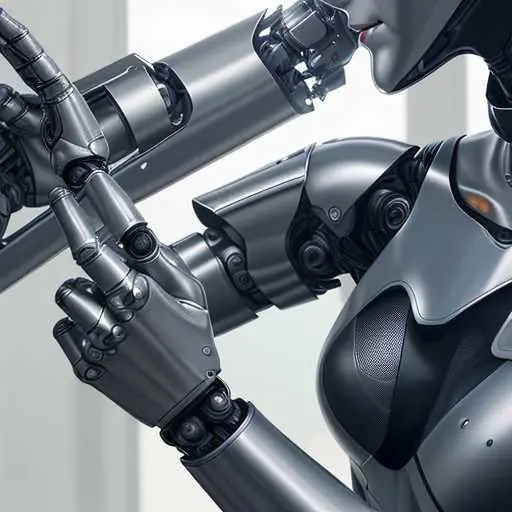
Sprout is a bipedal humanoid about 3 feet 6 inches (around 1.07 m) tall, deliberately smaller and softer in appearance than the industrial humanoids from companies like Figure, Agility or Tesla. It can walk, grip and pick up objects such as toys, hold conversations, and use gestures like waving or giving high fives. Fauna positioned it for social settings — homes, schools and similar spaces — and priced the first units at around $50,000, which made it a developer and research platform rather than a mass-market product.
Why Amazon Wants It
Amazon already runs one of the world’s largest fleets of industrial robots in its warehouses, but its consumer robotics efforts have been more modest. Buying Fauna gives the Personal Robotics group a team with experience in safe, human-friendly humanoid design, at a time when the humanoid market is becoming crowded. AI models for perception, speech and planning — areas where Amazon also invests through Alexa+ and AWS — are what make a robot like Sprout useful in an unstructured home.

What Could Come Next
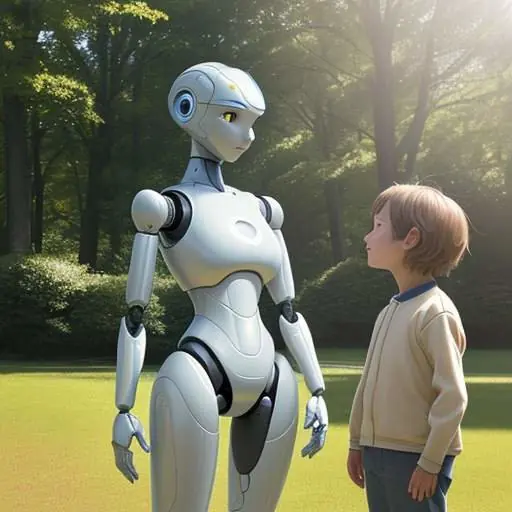
Amazon has not announced product plans. Possible directions range from a future home assistant robot to robots for education or retail settings. Any consumer product would have to come down dramatically in price from Sprout’s $50,000 and prove itself safe around children and pets.
Challenges
Humanoid robots in homes raise questions beyond engineering: privacy (a mobile robot with cameras and microphones in private spaces), physical safety, and reliability over years of use. Amazon’s own Astro home robot, sold only by invitation, never reached a mass audience, which shows how hard it is to turn impressive demos into products people want to pay for.

Conclusion
The Fauna deal is a small acquisition with a clear signal: Amazon is betting that humanoid robots will eventually move from factories and warehouses into everyday social spaces — and it wants a team that designs for that from the start.
Sources: CNBC, 24 Mar 2026; The Robot Report



















Recent Comments