
In a landmark move to accelerate India’s transition toward sustainable mobility, the Indian government recently launched the PM E-DRIVE scheme. This initiative is designed to provide significant incentives for the adoption of an electric vehicle and the rapid expansion of supporting infrastructure across the nation. By shifting focus toward manufacturing, charging stations, and the replacement of traditional vehicles with greener alternatives, the government aims to create a robust ecosystem that reduces carbon footprints while fostering domestic industrial growth. For the everyday commuter and the logistics industry alike, this policy represents a tangible shift toward a cleaner, more technologically advanced transportation landscape.
Decoding the PM E-DRIVE Framework
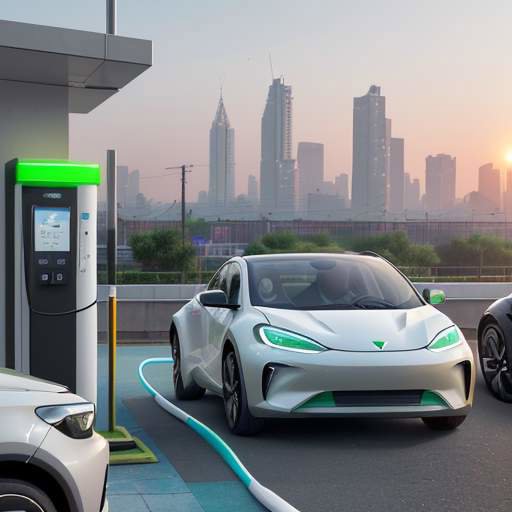
The PM E-DRIVE scheme is not just a subsidy program; it is a strategic overhaul of how India approaches green mobility. The core objective is to move beyond early adoption and toward mass-market integration. By providing financial incentives for the purchase of electric two-wheelers, three-wheelers, and four-wheelers, the government aims to lower the "entry barrier" that has historically kept many consumers from switching from internal combustion engines.
For the logistics sector, this is particularly impactful. Many delivery fleets are now looking toward electric bikes as a smarter choice to lower operational costs. The scheme recognizes that for an electric vehicle to be viable, it must be economically competitive with traditional fuel. By subsidizing the upfront cost, the government allows companies to achieve a faster return on investment. This shift is expected to have a massive positive impact on urban air quality and noise pollution levels in major metropolitan hubs.
Building the Backbone: Critical Infrastructure and Charging Networks
One of the primary hurdles for EV adoption has been "range anxiety"—the fear that a vehicle will run out of power before reaching a destination. The PM E-DRIVE scheme addresses this by allocating substantial funds toward building out the nation’s critical infrastructure. This includes the establishment of a dense network of public charging stations and swapping stations, particularly for commercial vehicles.
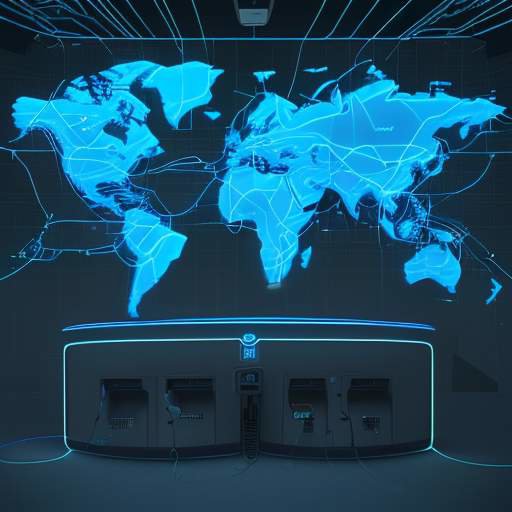
The government is prioritizing locations along major highways to ensure that those who choose to travel across the country can do so without hesitation. For those planning to travel India in the coming years, the expansion of these hubs means that long-distance travel becomes more feasible. To manage this growing network, many operators are looking toward a robust cloud infrastructure to monitor real-time power loads and location availability for users. This technological backbone ensures that the grid remains stable while supporting thousands of simultaneous charging points.
Innovation and the Road Ahead: Beyond Simple Mobility
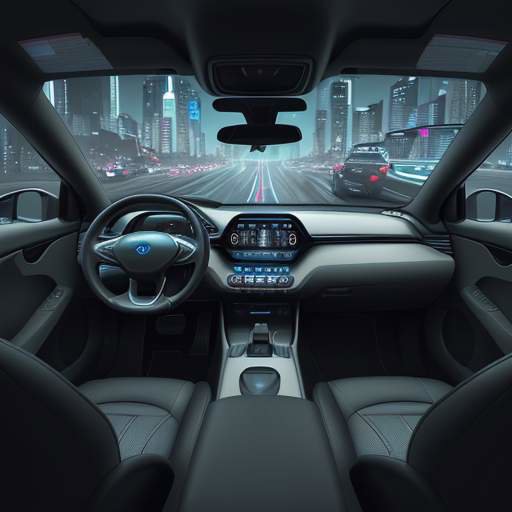
The transition to electric power is also opening the door for other high-tech integrations. As the infrastructure matures, we see a convergence of several emerging technologies. For instance, the integration of advanced sensors and software allows for better navigation and safety features. While a fully autonomous vehicle may still be some years away from universal deployment in India, the foundational technology being laid today—such as smart grid management and automated charging systems—is essential for the next generation of transport.
Furthermore, the industry is looking toward future trends in electric cars to understand how battery chemistry and motor efficiency will evolve. The PM E-DRIVE scheme supports this by encouraging local manufacturing, which helps reduce the dependency on imported components. This localized production ensures that the supply chain remains resilient against global fluctuations, providing a stable environment for manufacturers to innovate and improve vehicle performance over time.
Overcoming Challenges and Ensuring Safety
Transitioning an entire nation’s transport system is not without its hurdles. There are concerns regarding the initial strain on the power grid and the need for specialized training for technicians. However, the government’s approach focuses on a structured rollout to avoid any negative impact on current energy supplies. By integrating renewable energy sources into the charging network, the goal is to create a self-sustaining loop of green energy.
Safety remains a paramount concern. As vehicles become more complex, they require advanced systems to protect passengers and pedestrians. The integration of modern road safety technologies is becoming standard in new EV models. These systems include automatic braking, lane departure warnings, and enhanced visibility sensors. By promoting these features through the E-DRIVE initiative, the government ensures that the move to electric doesn’t just make transport cleaner, but also safer for everyone on the road.
Economic Growth and the Manufacturing Boom
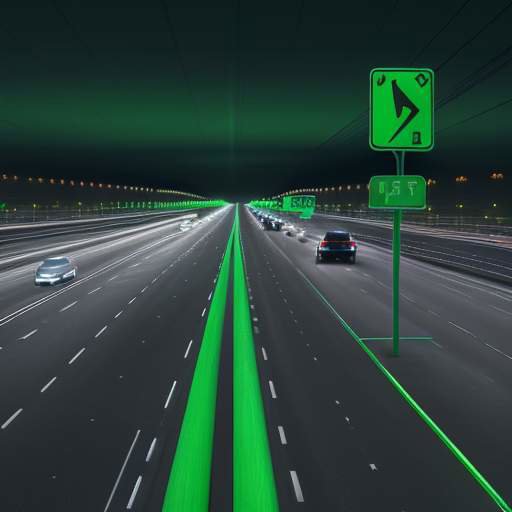
The PM E-DRIVE scheme is also a catalyst for industrial growth. By incentivizing the domestic production of electric components, India is positioning itself as a global hub for EV manufacturing. This creates a ripple effect across the economy, from mining and refining materials to the creation of high-tech jobs in software and hardware engineering.
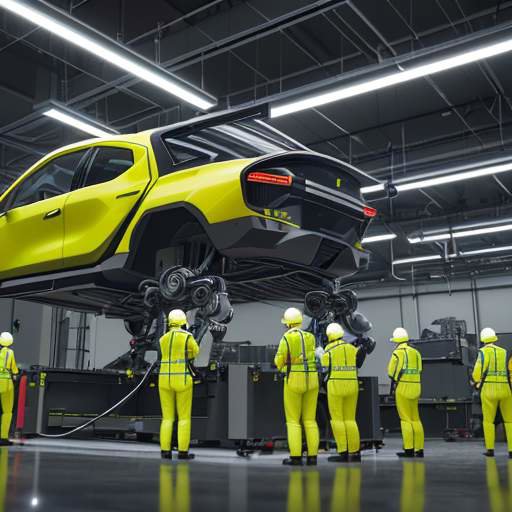
The shift is creating a huge impact on the manufacturing sector. Companies are no longer just assembling parts; they are innovating in battery management systems (BMS) and power electronics. This push for local excellence means that the Indian market will soon be flooded with high-quality, locally-made vehicles. For investors, this represents a stable and growing sector. The focus on cutting-edge technologies ensures that India remains competitive in the global landscape of green energy and manufacturing.
Practical Implications for the Consumer
What does this mean for you? In practical terms, the PM E-DRIVE scheme means that the next time you visit a showroom, you will find more electric options with better financing and lower upfront costs. For business owners, it means the ability to transition a delivery fleet to electric power with government-backed support, significantly lowering the total cost of ownership (TCO).
The expansion of infrastructure means that "range anxiety" is becoming a thing of the past. Whether you are commuting to work in a city or planning a long-distance trip, the availability of charging points is increasing exponentially. Furthermore, the move toward electric power means lower maintenance costs, as electric motors have fewer moving parts than internal combustion engines. This shift is not just about "going green"; it is about a more efficient, cost-effective, and technologically advanced way to move people and goods.
Conclusion: A Greener Horizon
The PM E-DRIVE scheme marks a pivotal chapter in India’s journey toward sustainability. By addressing the three main pillars of the transition—affordability, infrastructure, and manufacturing—the government is creating a roadmap that ensures no one is left behind in the move to an electric vehicle ecosystem. While the road ahead involves significant logistical and technological challenges, the proactive steps taken today ensure that the future of Indian transport is cleaner, safer, and more innovative. From the city streets to the vast highways, the shift is happening now, promising a significant positive impact on both the environment and the economy for generations to come.



















Recent Comments