
The global race to achieve artificial intelligence supremacy has triggered a construction boom unlike anything seen in the last decade. To power the massive computational demands of Large Language Models (LLMs), companies are racing to build massive infrastructure. However, beneath the surface of this technological gold rush, a financial cooling is taking place. While corporations are desperate for capacity, lenders and institutional investors are beginning to tighten the screws on infrastructure debt, questioning the long-term viability of such capital-intensive projects. In an era where even a simple task like finding a reliable way to backup data online requires sophisticated architecture, the stakes for physical data security have never been higher, making the financing of these "digital cathedrals" a high-stakes game of risk management.
The Capex Explosion and the Debt Trap
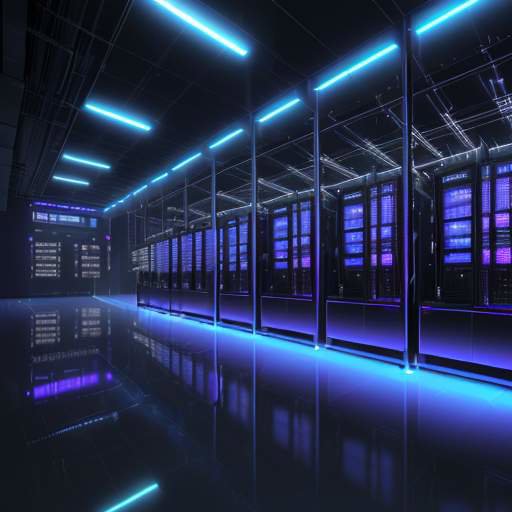
The primary reason lenders are becoming cautious is the sheer scale of Capital Expenditure (CapEx) required for modern facilities. A standard data center is already expensive to build, but an "AI-ready" facility requires specialized cooling systems, high-density power distribution, and advanced networking hardware. These requirements mean that the cost per rack is skyrocketing.
Lenders are now looking closely at the "useful life" of this equipment. Because the AI field moves so fast, hardware that is state-of-the-art today might be obsolete in three years. When a bank lends money for a 15-year infrastructure project, they need to be certain that the revenue generated by the tenants will cover the debt service. If the technology becomes obsolete faster than the debt can be paid off, the lender faces a massive risk. This is especially true when considering the complexities of modern modular infrastructure which allows for scalability but introduces new variables into the financing equations.
Power Constraints and Regulatory Hurdles
One of the biggest "red flags" for investors today is the availability of power. Many regions are facing a massive strain on their electrical grids due to the demands of AI. When a developer proposes a massive data center, they aren’t just asking for money; they are competing for a limited supply of megawatts.
Lenders are now scrutinizing local government policies and green energy initiatives more closely. For instance, some regions are pushing for specific green energy infrastructure to ensure that the AI boom doesn’t cripple the local grid. If a project cannot secure a long-term, sustainable power agreement, the financing will likely be denied or come with much higher interest rates. This "power-first" mentality is forcing developers to seek out locations where the infrastructure is already in place, rather than trying to build from scratch in areas with crumbling grids.
Supply Chain Risks and Geopolitical Tensions
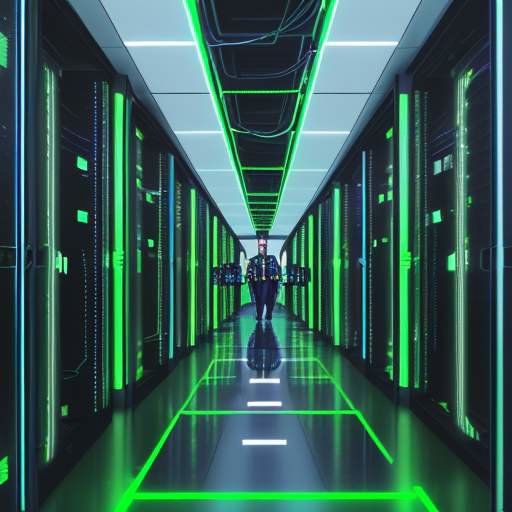
The financing crisis is also being driven by the fragility of the global supply chain. To build an AI-capable data center, you need specialized components like high-end GPUs and advanced networking switches. Currently, many of these components are subject to trade restrictions and geopolitical tensions.
Lenders are wary of projects that rely on hardware from regions where trade bans might be imminent. For example, certain restrictions on hardware supply have forced many companies to rethink their procurement strategies. When a lender sees that a project’s viability depends on components that might be blocked by a government mandate, they see a "high-risk" profile. This uncertainty leads to "tightening the screws," where lenders demand more collateral or shorter loan terms to protect themselves from geopolitical volatility.
The Importance of Data Security and Reliability
As companies integrate more complex tools—such as an ai that can read pdf or specialized software for processing massive documents—the need for high-availability infrastructure becomes paramount. For a corporation, the ability to process information using any ai that can read pdf files isn’t just a luxury; it’s a core part of their workflow. However, this functionality requires 100% uptime.
Because of this, investors are prioritizing "Tiered" data centers that offer the best online data backup and robust security protocols. They want to see that the facility can handle the massive throughput required for ai that reads pdf documents at scale without latency. To ensure this reliability, many facilities are adopting advanced optical technologies to minimize signal loss and maximize speed. Lenders are more likely to fund a project that can prove it offers superior data security and reliability, as these features allow the operator to charge premium "premium" rents to high-value enterprise clients.
The Shift Toward Specialized AI Infrastructure
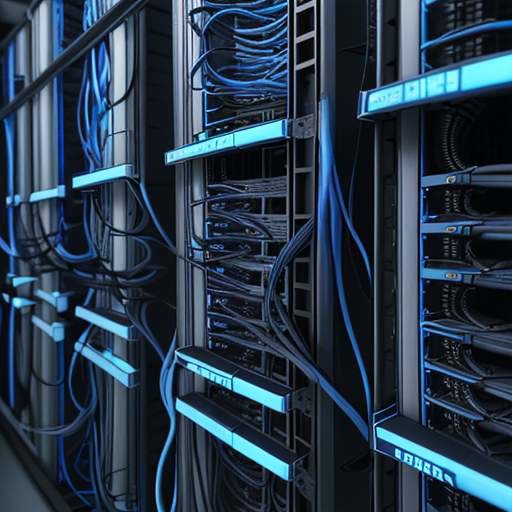
Not all data centers are created equal. We are seeing a shift away from "general purpose" hosting toward "AI-specialized" hubs. These facilities are designed specifically for the high-density power requirements of GPUs. This specialization is a double-edged sword for lenders. On one hand, it allows for higher lease rates; on the other, it makes the facility much harder to repurpose if the AI boom cools down.
This "niche" focus means that lenders are looking for tenants with deep pockets—think big tech firms or large research institutions. In some regions, these high-spec facilities are even having a significant impact on research and local infrastructure, leading to a more localized, high-value investment model. When the lender knows the tenant is a massive corporation with a long-term contract, they are more willing to overlook the risks associated with the specialized hardware.
[IMAGE PROPT: A wide shot of a modern industrial park where multiple data centers are visible. The architecture is sleek and modern, with large cooling towers and complex piping systems visible on the rooftops. The sun is setting, casting long shadows and a golden glow over the scene. Photorealistic, 8k resolution, cinematic lighting.]
Conclusion: Navigating the New Financial Landscape
The era of "easy money" for data center construction is evolving into an era of "smart money." As the demand for AI-capable infrastructure continues to skyrocket, the financial institutions providing the capital are becoming more sophisticated in their risk assessments. They are no longer just looking at how many servers a building can hold; they are looking at power grid stability, supply chain diversity, and the ability of the facility to provide top-tier data security for complex applications like an ai that reads pdf files.
For developers and operators, this means that success in the current market requires more than just a plot of land and a pile of servers. It requires a robust strategy for power procurement, a diversified supply chain, and a commitment to high-end infrastructure that can support the next generation of AI. While the "tightening" of credit might seem like a hurdle, it is actually a necessary filter that will ensure only the most resilient and well-engineered facilities survive the transition into the AI-driven economy. By focusing on reliability, security, and sustainable growth, developers can navigate these stricter lending environments and build the foundation for the future of the internet.

















Recent Comments