
As we approach the horizon of the late 2020s, the pace of technological evolution is accelerating at an unprecedented rate. When we look ahead at the landscape of gadgets 2027, we aren’t just looking at faster processors or slightly sleeker screens; we are witnessing a fundamental shift in how humans interact with the physical and digital worlds. From the integration of ambient computing to the rise of hyper-personalized AI, every modern tech gadget is becoming more intuitive, proactive, and seamless.
The transition from "tools we use" to "environments we inhabit" defines this era. In the coming years, a smart gadget won’t just wait for your command; it will anticipate your needs based on biometric data and environmental cues. Whether you are looking for a niche innovation or a mainstream powerhouse, the upcoming wave of technology promises to redefine productivity, health, and entertainment.

The Evolution of the Modern Tech Gadget
The definition of a "gadget" has evolved significantly over the last decade. In the past, a gadget was often a standalone novelty—a specialized tool designed for a single task. Today, a modern tech gadget is often a node in a larger ecosystem. For instance, wearable technology no longer just counts steps; it monitors blood oxygen, stress levels, and sleep cycles to provide a holistic view of human health.
One of the primary benefits of gadgets lies in their ability to automate the mundane. By offloading repetitive tasks to intelligent systems, humans are freed up to focus on creativity and complex problem-solving. This shift is particularly evident in the workplace, where the integration of AI-driven hardware allows for seamless multitasking. If you ever feel like your current devices are sluggish, it might be time to perform a system optimization to boost performance before upgrading to the next generation of hardware.
The market is moving toward "invisible" technology. This means that the most successful products in 2027 will be those that blend into the background of our lives. Think of smart fabrics that regulate temperature, glasses that provide real-time translation, or home systems that adjust lighting based on your circadian rhythm. These innovations highlight the incredible advantages of electronic gadgets in making daily life more convenient and personalized.
Smart Gadget Ecosystems and Connectivity
By 2027, the "Internet of Things" (IoT) will have matured into what many experts call the "Internet of Experiences." A smart gadget is no longer an island; it is a part of a web. When your car communicates with your home, and your home communicates with your office calendar, the friction of daily life begins to disappear.
This interconnectedness is what makes a high-quality technology gadget so valuable today. For example, a smart refrigerator might not just tell you when milk is expiring; it can automatically add it to your digital shopping list and coordinate with your smart car to ensure it’s picked up on your way home. This level of integration provides significant convenience for busy professionals and families alike.
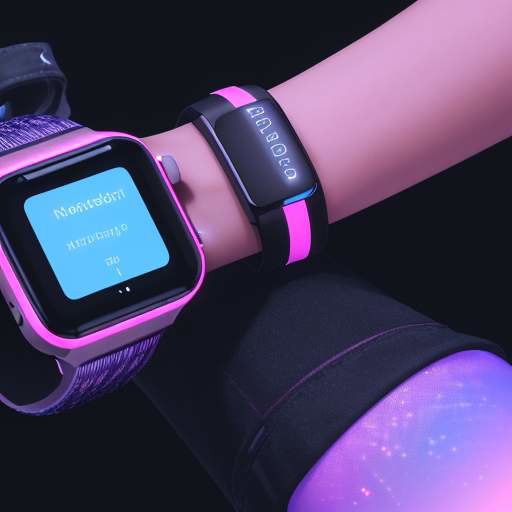
For those who are just starting their journey into the world of tech, it can be overwhelming to choose which devices to invest in. Many enthusiasts follow a regular comprehensive review series to stay updated on what is actually worth the investment versus what is merely a passing trend. The goal in 2027 is to move away from "feature bloat" and toward "functional elegance"—devices that do exactly what they need to do, but with more grace and efficiency.
Revolutionizing Personal Safety and Security
As our lives become increasingly digitized, the need for robust security becomes paramount. This is where the most innovative safety-focused tech enters the frame. We are seeing a rise in hardware-level security features that protect users from sophisticated cyber threats. A high-quality security gadget isn’t just a password manager; it’s a physical key or a biometric gateway that ensures your private data remains inaccessible to unauthorized parties.
In the realm of personal safety, new devices are being developed to provide peace of mind for travelers and urban commuters. These might include wearable SOS devices that can alert emergency services with a single tap or smart home systems that use AI to detect unusual activity. If you are looking to protect your daily lifestyle, investing in dedicated security hardware is one of the most practical steps you can take.
[IMAGE PROPT: A high-tech security hub in a modern home, featuring a sleek metallic finish and a glowing blue ring. A smartphone nearby shows a secure connection icon. The room is dimly lit with elegant architectural lighting. Photorealistic, 16:9 aspect ratio, final image width 650px strict, no text in image, no watermark, optimized for Flux/SD3/SDXL]
Furthermore, the integration of AI into security systems allows for "predictive protection." Instead of reacting to a breach, these gadgets can identify patterns of suspicious behavior and block them before they occur. This proactive stance is one of the most significant advancements in the tech landscape of the late 2020s.
Mobile Innovation and Wearable Tech
The mobile phone remains the central hub of our digital lives, but in 2027, the "phone" may start to look different. We are seeing a move toward foldable designs, rollable screens, and augmented reality (AR) overlays. For those who prioritize mobility, finding the best mobile-centric tools is essential for staying connected on the go.
Wearables are also evolving. We are moving past the "notification" phase of smartwatches and into the "biometric assistant" phase. Future wearable tech will be able to monitor glucose levels in real-time, detect early signs of illness through skin temperature changes, and even suggest stress-relief exercises before the user feels overwhelmed. These are not just gadgets; they are life-enhancement tools that provide a deeper understanding of our own bodies.

When choosing a nice gadget in the wearable category, look for those that offer long battery life and seamless integration with your existing ecosystem. The goal is to have a device that supports your lifestyle rather than one that requires you to change your habits to accommodate its limitations.
The Impact of AI on Hardware Design
The most significant driver behind the evolution of gadgets 2027 is Artificial Intelligence. AI is no longer just a software layer; it is being baked into the silicon of the hardware itself. This "Edge AI" allows devices to process complex commands locally without needing to send data to the cloud, which improves speed and enhances privacy.
This shift means that your smart home assistant will be faster, your translation earbuds will be more accurate, and your creative tools will be more intuitive. We are moving toward a world where the hardware understands intent. For example, a camera might recognize you are trying to take a portrait of a pet and automatically adjust the focus, exposure, and background blur without you touching a single setting.

This integration of AI into every facet of technology has led to a new era of "smart" products that truly feel intelligent. Some of these transformative tech advancements have their roots in early innovations, but the 2027 iteration will be far more sophisticated, utilizing neural networks to provide a personalized experience for every user.
Sustainability and the Future of Gadget Manufacturing
As we look toward the future, the conversation around gadgets is also shifting toward sustainability. The "throwaway" culture of the past is being challenged by a move toward modularity and longevity. The most successful products in 2027 will be those designed to be repaired, upgraded, and recycled.
Manufacturers are beginning to use more sustainable materials, such as recycled aluminum and bio-plastics, to create high-performing devices. Furthermore, the "Right to Repair" movement is influencing how products are built, ensuring that users can replace a battery or a screen without needing specialized industrial tools. This shift ensures that your investment in a new gadget lasts for years, not just months.
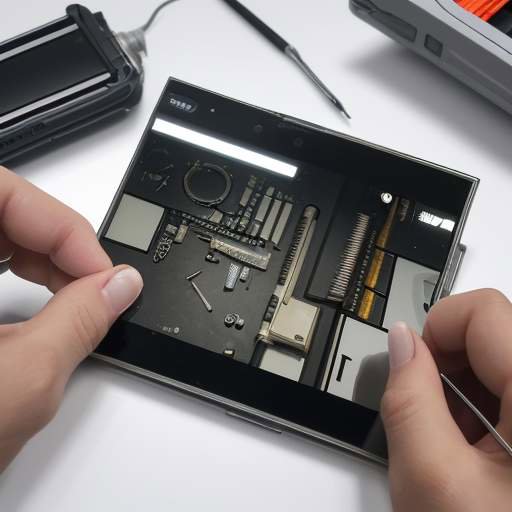
By focusing on durability and modularity, the tech industry is attempting to balance the demand for constant innovation with the need for environmental responsibility. This is a crucial step in ensuring that the "gadgets of tomorrow" are as kind to the planet as they are useful to the consumer.
Conclusion: Navigating the Landscape of 2027
The world of gadgets 2027 is one of incredible possibility. We are moving toward a reality where technology is no longer a separate part of our lives; it is woven into the very fabric of our daily experiences. From the way we manage our health and security to how we interact with our homes and workplaces, the benefits of these advancements are profound.
However, the key to navigating this fast-paced landscape is intentionality. Instead of buying every new gadget that hits the market, focus on the devices that solve real problems and enhance your specific lifestyle. Whether it’s a piece of wearable tech that improves your fitness, a security system that provides peace of mind, or a smart home device that saves you time, the best gadgets are the ones that empower you to live your life more fully.
As we move forward, stay curious and stay informed. The next few years will bring some of the most exciting innovations in the history of consumer electronics. By understanding the trends and choosing the right tools, you can ensure that you are not just keeping up with the times, but thriving in a world empowered by the next generation of technology.

















Recent Comments