
The global energy landscape is shifting at a pace never seen before. As nations scramble to secure stable energy sources, the role of Liquefied Natural Gas (LNG) has moved from a regional commodity to a cornerstone of international geopolitics. However, this transition brings a significant cyber threat to the forefront of national security. When critical infrastructure—such as the vessels and terminals transporting LNG—becomes a target for state-sponsored actors or sophisticated hackers, the implications ripple far beyond a single ship. A successful breach doesn’t just stop a shipment; it threatens energy prices, regional stability, and the integrity of global supply chains.
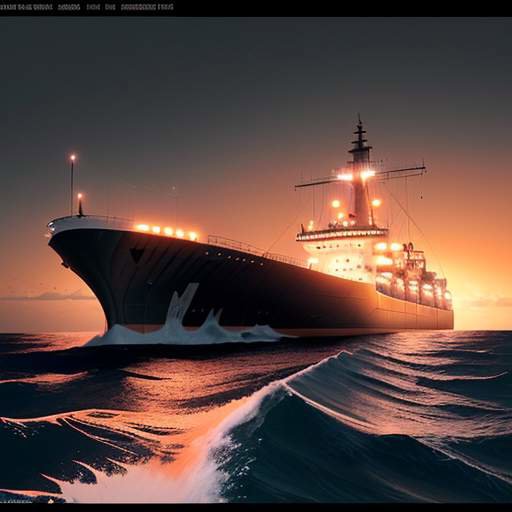
The Intersection of Energy and Cyber Warfare
The modern maritime industry is no longer just about heavy machinery and manual labor; it is an ecosystem of interconnected technology. From GPS navigation systems and automated cargo handling to the sophisticated Industrial Control Systems (ICS) that manage gas pressure and temperature, the infrastructure is heavily digitized. This interconnectivity is a double-edged sword. While it allows for the efficient movement of energy across oceans, it also creates a massive attack surface for any malicious actor looking to cause chaos.
The growing demand for LNG has necessitated a more complex logistics network. As more countries turn to LNG to meet their energy needs, the volume of data transmitted between ports, ships, and land-based storage facilities increases exponentially. This data often flows through various networks, including cloud infrastructure that may be vulnerable if not properly hardened. A cyber attack on a single vessel’s navigation system could lead to a collision or a grounding, while an attack on the storage facility’s control systems could lead to catastrophic pressure build-ups and explosions.
Identifying the Modern Security Threat
To understand why LNG shipments are such high-value targets, we must look at the motivations of the modern cyber criminal. These actors are no longer just looking for credit card numbers; they are looking for leverage. In the realm of geopolitical competition, disrupting a nation’s energy supply is a potent way to exert pressure without firing a single physical shot. This is why the security of maritime logistics is now considered a primary front in hybrid warfare.
The security threat posed by these actors is multifaceted. It involves:
- Ransomware: Locking down port management systems to demand payment for releasing cargo.
- GPS Spoofing: Manipulating a ship’s location data to cause it to veer off course.
- SCADA Manipulation: Hacking the industrial software that regulates the cryogenic temperatures required to keep gas in a liquid state.
Because these systems are often older and were not originally designed with internet connectivity in mind, many pieces of hardware remain vulnerable. To combat this, organizations must adopt proactive security measures to identify and patch gaps before they can be exploited by hostile actors.
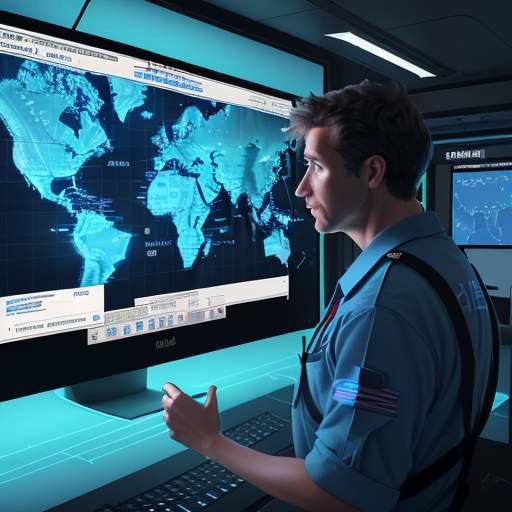
The Growing Number of Vulnerable Touchpoints
As we move toward more automated logistics, the growing number of IoT (Internet of Things) devices on ships and in ports creates a "Swiss cheese" model of security—where multiple small holes can line up to create a massive opening for an intruder. Every sensor monitoring gas pressure, every remote-access portal for maintenance, and every automated crane at a port is a potential entry point.
The complexity of these systems means that cyber security must be integrated into the very fabric of maritime engineering. It is no longer enough to have a firewall at the main office; the "edge" of the network is now out at sea. This reality has led to a surge in interest regarding automated defense systems that can detect and isolate threats in real-time, preventing a local breach from escalating into a systemic failure of the energy grid.
Strategic Implications of Infrastructure Sabotage
If a state-sponsored actor successfully sabotages an LNG shipment, the consequences are not just logistical; they are economic and political. A disruption in the supply chain can cause immediate spikes in energy prices, affecting everything from heating costs for households to the manufacturing costs of essential goods. Furthermore, such an act serves as a "proof of concept" for other forms of infrastructure sabotage, potentially targeting power grids or water treatment plants.
The international community is beginning to recognize that maritime corridors are critical infrastructure. Just as undersea cables are protected as vital links for data, the pipelines and ships carrying LNG are now seen as vital arteries for global stability. The risk of a cyber attack on these assets means that maritime nations must collaborate on shared intelligence to identify and neutralize threats before they reach the water.
[IMAGE PROPT: A dramatic aerial view of a massive port facility at night. Huge cranes are moving containers, and several LNG tankers are docked. The scene is illuminated by bright floodlights, creating deep shadows. In the background, a stormy sea meets the horizon. The image should convey a sense of scale and industrial power. Photorealistic, 16:9 aspect ratio.]
Building Resilience in a Connected World
Protecting against these sophisticated threats requires a multi-layered defense strategy. First, companies must move away from "security by obscurity," assuming that because their systems are specialized, they won’t be targeted. Instead, they must adopt a "Zero Trust" architecture where every device and user must be continuously verified. This is especially critical when dealing with third-party contractors who may have remote access to ship systems.
Furthermore, the industry must invest in robust monitoring and incident response plans. When a breach does occur, the speed at which a system can be isolated and restored is the difference between a minor technical glitch and a national emergency. This requires constant training and the use of advanced tools to secure sensitive data and operational logs, ensuring that even if an intruder gains access, they cannot move laterally through the network to reach critical controls.

Conclusion: The New Frontier of Maritime Security
The transition to a more globalized energy market has made LNG a cornerstone of modern life. However, this shift has also moved the battlefield of modern warfare into the digital realm. The cyber threat facing our energy infrastructure is not a futuristic "what-if" scenario; it is a present and evolving reality.
As the growing number of interconnected devices makes our systems more efficient, it also makes them more vulnerable. To protect the flow of energy, stakeholders must prioritize cyber security as a core component of maritime safety. By investing in cybersecurity automation, rigorous vulnerability management, and international cooperation, we can build a resilient infrastructure that can withstand the pressures of both the sea and the digital shadows. The goal is to ensure that the quest for cleaner, more reliable energy does not come at the cost of our national security or the stability of the global economy.
















Recent Comments