
The global landscape of aerial surveillance and logistics is undergoing a seismic shift. While many hobbyists and content creators still search for the best gopro drones to capture high-octane footage, a much larger industrial revolution is taking place behind the scenes. In India, the push for self-reliance in aerospace is no longer just a goal; it is a national mission. With the announcement of the Dronathon 2026 initiative, the nation is positioning itself as a global hub for indigenous drone manufacturing, integrating advanced technology to revolutionize everything from agriculture to defense.

The Evolution of Autonomous Systems in India
India’s journey toward becoming a drone powerhouse is rooted in the need for localized solutions. For years, the market was dominated by imported hardware, but the limitations of international supply chains and specific regional requirements sparked a movement toward domestic innovation. Today, the focus has shifted from simple "fly-and-film" devices to complex systems that utilize modern technology to solve real-world problems.
The integration of advanced technology into these drones means they are no longer just flying cameras. They are mobile data centers. By incorporating sophisticated sensors and AI-driven navigation, Indian startups are creating drones capable of navigating dense forests, mapping vast agricultural lands, and performing complex search-and-rescue missions in areas where human access is restricted. This evolution is supported by a growing ecosystem of domestic manufacturers who are perfecting the latest technology in aerodynamics and battery management.
Why Hardware Integration Matters for the Best GoPro Drones
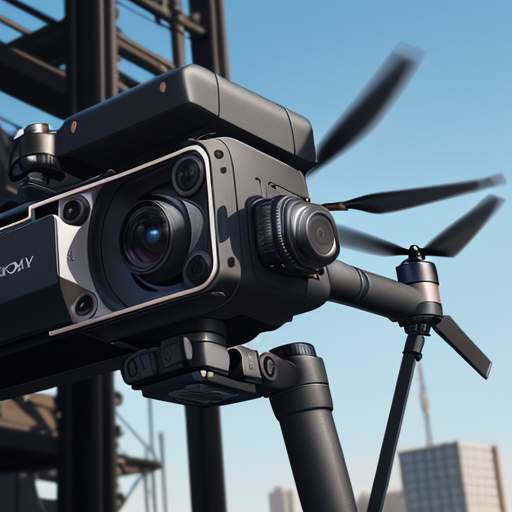
While the industrial sector focuses on heavy-lift and surveillance, the consumer and "prosumer" markets continue to evolve. Many content creators seeking the best gopro drones are looking for a seamless marriage between high-quality optics and stable flight platforms. This intersection is where several sectors meet. For instance, when a filmmaker uses a compact camera drone to capture cinematic footage, they are benefiting from the same stability algorithms that are now being adapted for industrial use.
The synergy between high-end cameras and drone stabilizers has pushed the boundaries of what is possible in media production. By utilizing specialized camera mounts, creators can achieve 360-degree views that were previously impossible. This push for better visual data has trickled down into the industrial sector, where high-resolution imaging is critical for infrastructure inspection and environmental monitoring.
Dronathon 2026: A Catalyst for Indigenous Innovation
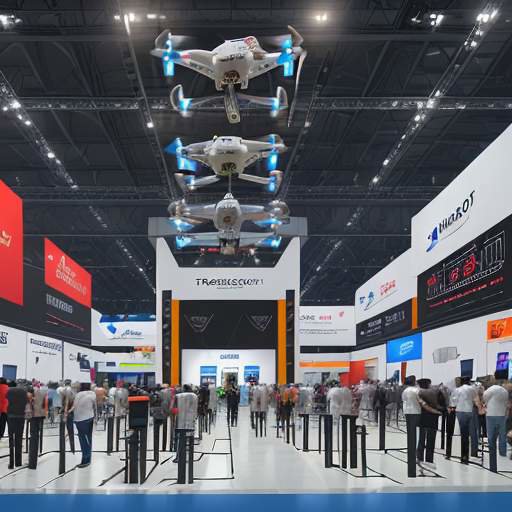
The Dronathon 2026 initiative is designed to be a cornerstone of India’s "Make in India" campaign. It serves as a massive incubator for startups and researchers to develop indigenous hardware and software. The goal is to reduce dependency on foreign components while fostering a domestic supply chain. This includes the development of specialized components like high-torque motors, localized GPS modules, and custom flight controllers.
One of the most exciting aspects of Dronathon 2026 is the focus on multi-domain applications. Participants are encouraged to solve specific problems, such as:
- Agriculture: Using multispectral sensors to detect crop diseases.
- Logistics: Developing heavy-lift drones for "last-mile" delivery in rural areas.
- Infrastructure: Utilizing drones to inspect power lines and railway tracks. These applications have already shown how aerial tech improves construction by providing accurate 3D mapping and reducing the need for manual inspections in hazardous zones.
Integrating Smart Systems: AI, Cloud, and Connectivity
The true power of a drone lies in its ability to process and transmit data in real-time. This is where cloud technology becomes indispensable. Modern drones are no longer "islands"; they are nodes in a vast network. By connecting to the cloud, a fleet of drones can be managed from a central command center, allowing for real-time updates on battery life, location, and sensor data.
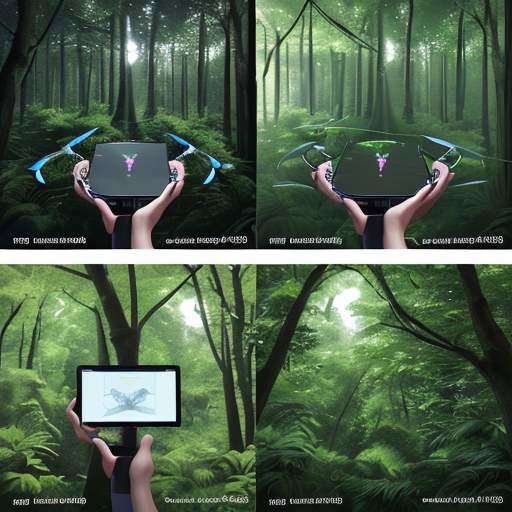
Furthermore, the integration of mobile technology allows operators to control these complex machines via tablets or smartphones, providing an intuitive interface for complex tasks. For example, some advanced systems even explore autonomous internet delivery to provide connectivity in remote regions. This level of integration ensures that the data collected by the drone—whether it is a 3D scan of a mine or a live feed from a forest fire—can be analyzed instantly by experts miles away.
Powering the Future: Solar and Safety Innovations
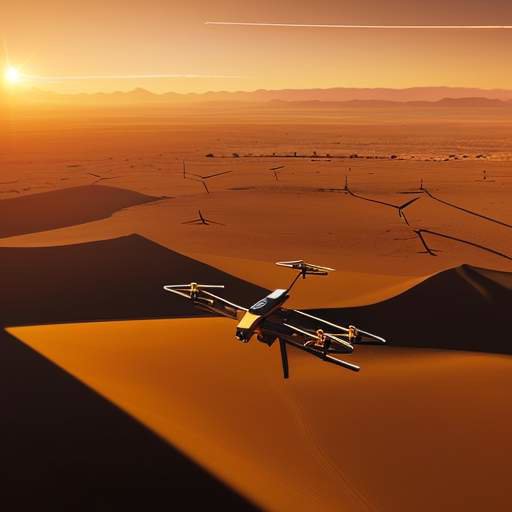
As drone fleets grow, so does the need for sustainable power and operational safety. This has led to a surge in solar technology research for long-endurance drones. By integrating high-efficiency solar cells into the wings or frame of fixed-wing drones, operators can extend flight times from minutes to hours, making them ideal for patrolling vast borders or monitoring large-scale solar farms.
Safety is another critical pillar. The development of safety technology—such as automated "no-fly zone" geofencing, collision avoidance systems using LiDAR, and redundant motor systems—is essential for urban operations. These features ensure that drones can operate in populated areas without posing a risk to the public. This focus on safety is what allows the transition from "experimental" technology to "essential" infrastructure.
Furthermore, the rise of 3d gaming technology market techniques has actually influenced drone navigation. The same algorithms used to help players navigate complex 3D environments in video games are now being adapted to help drones navigate complex urban environments, avoiding obstacles like power lines and trees with mill_isecond precision.
The Economic Impact of Indigenous Drone Tech
The shift toward indigenous technology isn’t just about pride; it’s about economic sovereignty. By developing local manufacturing hubs, India is creating thousands of jobs in high-tech manufacturing, software development, and data analysis. Small and medium enterprises (SMEs) are finding new opportunities in providing specialized services, such as drone maintenance, pilot training, and custom software integration.
As the mobile technology sector continues to evolve, the ability to monitor and manage these systems remotely becomes a cornerstone of the "Smart Cities" initiative. From monitoring traffic patterns to managing waste collection, drones provide a scalable way to manage urban infrastructure. By mastering the complexities of modern drone tech, India is positioning itself as a global exporter of high-tech solutions, not just hardware.
Conclusion: A New Horizon for Indian Aerospace
The road to 2026 is paved with innovation. The Dronathon 2026 initiative is more than just a competition; it is a catalyst for a new era of Indian engineering. By blending advanced technology like AI and cloud technology with practical needs in agriculture, safety, and infrastructure, India is building a robust ecosystem that will define the next decade of aerial mobility.
Whether it is a hobbyist searching for the best gopro drones to capture the beauty of the Himalayas or an industrial operator using a heavy-lift drone to map a disaster zone, the underlying technology is converging toward a common goal: making the skies more accessible, safer, and more productive. As indigenous manufacturing matures, the "Made in India" label will soon become synonymous with world-class drone innovation, pushing the boundaries of what we can achieve in the skies.

















Recent Comments