
The landscape of modern defense and infrastructure is undergoing a seismic shift as we approach the mid-2020s. At the heart of this revolution lies the integration of massive processing power with secure, scalable architectures. The upcoming Quantum Innovation Summit 2026 in Dubai will serve as a global epicenter for these discussions, specifically addressing how air force cloud computing can be revolutionized by the leap from classical bits to quantum qubits. As military and governmental agencies seek to process vast amounts of real-time data, the fusion of high-performance computing and quantum mechanics is no longer a theoretical dream; it is becoming the backbone of national security and logistical superiority.

The Convergence of Quantum Computing and Defense
Quantum computing represents a paradigm shift in how we solve complex problems. While traditional computers process information linearly, quantum systems utilize superposition and entanglement to perform calculations at speeds previously thought impossible. For the defense sector, this translates to instantaneous cryptography, advanced material simulations, and complex logistics modeling.
The transition toward these systems is being accelerated by the need for more robust high-performance computing environments. In the context of modern warfare and defense, the ability to simulate thousands of variables simultaneously allows for better strategic planning. By integrating quantum algorithms into existing frameworks, organizations can unlock new levels of technological innovation, ensuring that they stay ahead of adversaries who are also vying for dominance in the quantum space.
Many researchers believe that quantum systems are reshaping AI by providing the raw processing power needed to train more complex models in a fraction of the time. This leap is essential for the next generation of autonomous systems and secure communications.
Securing the Skies: Air Force Cloud Computing and Resilience
One of the primary pillars of the 2026 Summit will be the infrastructure required to support air force cloud computing in high-stakes environments. Military operations require "always-on" connectivity that can withstand cyber-attacks while maintaining extreme low latency. This is where the synergy between cloud computing and quantum security becomes vital.
To protect sensitive data, the military is moving toward "Quantum Key Distribution" (QKD), which uses the laws of physics to ensure that any attempt to intercept a message changes the state of the data, alerting the users immediately. By hosting these systems within a specialized cloud infrastructure, the military can provide seamless access to data across various platforms. This ensures that whether a pilot is in the cockpit or a commander is at a base, the information remains synchronized and secure.

Mobility and the Edge: Bringing Power to the Frontline
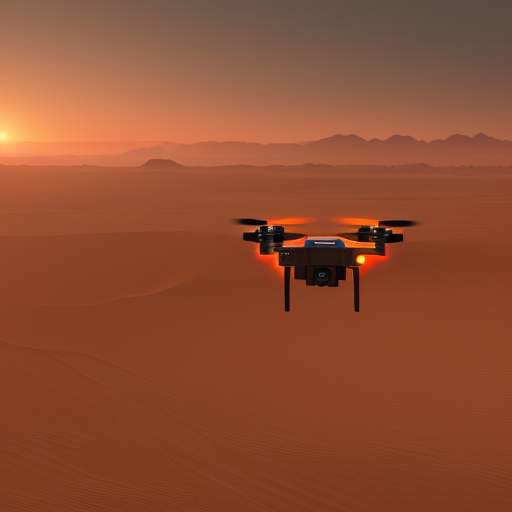
While centralized power is essential, the modern battlefield is decentralized. This is where edge computing plays a critical role. By processing data closer to the source—such as on a drone or a ground vehicle—the system reduces the load on the central network and allows for instantaneous decision-making.
Furthermore, the benefits of mobile cloud computing cannot be overstated when considering remote operations. When personnel are in motion, they need access to heavy computational resources without being tethered to a stationary hub. The advantages of mobile cloud computing include reduced latency for remote users and the ability to scale resources up or down based on real-time demand.
Understanding the pros of mobile cloud solutions allows organizations to deploy resources where they are needed most, ensuring that even the most remote locations have the computing power necessary to function effectively.
Dubai as the Hub of Global Innovation
The choice of Dubai as the host for the Quantum Innovation Summit 2026 is no coincidence. The city has established itself as a premier destination for tech pioneers and global leaders. With its visionary infrastructure and commitment to becoming a global tech hub, it provides the perfect backdrop for discussing the future of quantum computing.
The city’s rapid growth and focus on high-tech infrastructure make it an ideal location for international cooperation. Visitors to the summit will find themselves in a city that blends tradition with futuristic ambition. For those looking to explore the region’s unique atmosphere after the conference, there are many world-class destinations to experience the local culture and luxury.

Preparing for the 2026 Technological Landscape
As we look toward 2026, the hardware we use every day will undergo significant transformations. From the smartphones in our pockets to the servers in our data centers, the integration of specialized chips and AI-driven processing will become standard. The technological innovation seen in the next two years will likely focus on making quantum-ready systems more accessible to private enterprises, not just government entities.
The evolution of hardware means that the latest gadgets of 2026 will be characterized by faster speeds and more efficient energy consumption. These advancements will feed back into the cloud, making it easier to manage massive datasets and provide real-time analytics for industries ranging from healthcare to aerospace.

Conclusion: Navigating the Quantum Era
The Quantum Innovation Summit 2026 in Dubai will be more than just a conference; it will be a roadmap for the next decade of technological advancement. By addressing the complexities of air force cloud computing, the summit will highlight how secure, high-speed data transmission is the backbone of modern defense.
As we move toward this future, the integration of quantum computing, edge computing, and mobile cloud computing will create a seamless web of connectivity. The ability to harness immense computing power at the edge while maintaining a secure, centralized core will redefine what is possible for global infrastructure. Whether it is through the upcoming tech trends or the practical applications in the military, the road to 2026 is paved with innovation that will redefine our world.




















Recent Comments