
The landscape of artificial intelligence is shifting from software-based models to physical embodiments, and the hardware powering this revolution is becoming a geopolitical flashpoint. In a major move that signals both investor confidence and a strategic pivot toward domestic manufacturing, D-Robotics Secures $400M for Humanoid Chips Amid Tightening US Import Restrictions. This massive funding injection is designed to bolster the production of specialized silicon capable of powering high-dexterity humanoid robots, ensuring that the next generation of autonomous machines can operate on a secure network without relying solely on potentially compromised international supply chains.
As the global race for robotics supremacy intensifies, the limitations placed on high-end semiconductor imports have forced innovators to find creative ways to maintain a safe and secure infrastructure. For D-Robotics, this $400 million investment isn’t just a capital injection; it is a strategic moat against the tightening regulatory environment of the Western tech corridor.
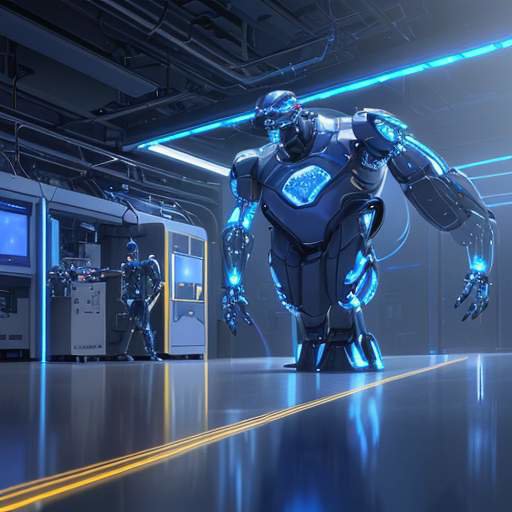
The Strategic Importance of Humanoid Robotics in the Modern Economy
The demand for humanoid robots has skyrocketed as industries ranging from logistics to manufacturing seek ways to automate complex, non-linear tasks. Unlike traditional industrial robots that perform repetitive motions in fixed positions, humanoid robots are designed to navigate human environments—climbing stairs, picking up irregular objects, and interacting with people. To do this, they require massive amounts of on-board processing power to interpret spatial data in real-time.
This need for "edge" computing is what makes the D-Robotics funding so critical. By developing specialized chips specifically for humanoid movement, D-Robotics aims to bypass the general-purpose bottlenecks that often plague standard AI hardware. Furthermore, as these robots enter private homes and sensitive industrial zones, ensuring they have a way to secure data from unauthorized access is paramount. The investment will fund the R&D necessary to bake security protocols directly into the silicon architecture, rather than relying solely on software patches.
Navigating the Complexities of Global Chip Restrictions
The geopolitical climate has made it increasingly difficult for tech companies to source high-end components from certain regions. The "Tightening US Import Restrictions" mentioned in the headlines refer to a series of policies designed to protect domestic intellectual property and prevent the flow of sensitive technologies into the hands of rival states. These restrictions have created a "scarcity economy" where companies that can manufacture locally or through trusted partners have a massive competitive advantage.
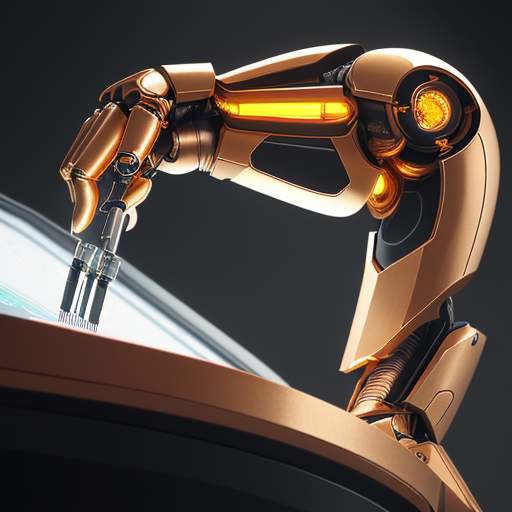
While some industries have struggled with these shifts—much like how older mobile systems faced hurdles like complexities with sd card access during certain software transitions—the robotics sector is moving toward a "sovereign" hardware model. D-Robotics’ $400M investment allows them to build a localized supply chain that remains compliant with international law while maintaining the high performance required for advanced AI.
The Role of Specialized Silicon in Humanoid Dexterity
General-purpose GPUs are capable of running large language models, but humanoid robots require something more specialized: low-latency, high-throughput processing for motor control and sensory fusion. A humanoid robot must process visual input, tactile feedback, and balance calculations simultaneously. If there is even a millisecond of lag in the "thought" process of the robot, it could result in a mechanical failure or a safety hazard.
By focusing on dedicated chips, D-Robotics is creating hardware that can handle these specific tasks more efficiently than a standard processor. This specialization also makes the system more robust against external interference. When a robot operates on a secure network, its ability to process local data quickly means it doesn’t have to "call home" to a cloud server for every movement, significantly reducing the attack surface for potential hackers.
Investment Trends and the Future of Autonomous Systems
The $400 million investment is a testament to the massive appetite for "embodied AI." Investors are no longer just looking for better chatbots; they are looking for machines that can perform physical labor. The acquisition of key players in this space shows how the industry is consolidating. For instance, many companies are looking toward innovations in humanoid AI to see how large-scale infrastructure can integrate with autonomous units.
As D-Robotics scales, they will likely become a primary provider of the "brains" for other robotics firms. By owning the chip architecture, they control the most critical part of the value chain. This vertical integration is the only way to survive in an era where trade wars and import restrictions can cripple a company’s ability to source parts overnight.

Security as a Foundation for Robotics Integration
One of the most overlooked aspects of the humanoid robot boom is cybersecurity. As these machines become more autonomous, they become potential targets for cyber-attacks. A compromised robot in a warehouse or a home could be used to steal data or cause physical harm. This is why D-Robotics’ focus on a secure network and "hardened" hardware is so vital.
The goal is to create a system where the core functions of the robot—navigation, safety protocols, and motor control—are isolated from the external-facing communication modules. By ensuring the system is safe and secure at the hardware level, D-Robotics provides a layer of trust that is essential for enterprise adoption. They are not just building a robot; they are building a trusted platform where users can feel confident that their private information remains protected.

Conclusion: A New Era of Sovereign Hardware
The news that D-Robotics Secures $400M for Humanoid Chips Amid Tightening US Import Restrictions marks a pivotal moment in the robotics industry. It signals the end of the "growth at any cost" era and the beginning of the "resilience by design" era. By securing the capital to develop proprietary chips, D-Robotics is positioning itself as a cornerstone of the next industrial revolution.
As we move forward, the winners in the robotics space will be those who can navigate the complex web of international trade laws while delivering high-performance, secure technology. By prioritizing local manufacturing and hardware-level security, D-Robotics isn’t just reacting to import restrictions—they are building a fortress for the future of humanoid AI. The machines of tomorrow will need to be smart, but more importantly, they must be secure. With this new funding, D-Robotics is ensuring that the "brains" of these machines are built on a foundation that can withstand both the challenges of the modern market and the demands of a safer, more automated world.


















Recent Comments