The global race for artificial intelligence supremacy is intensifying, with nations and corporations vying for dominance in the digital economy. While generative AI captures headlines with its creative capabilities, a quieter but more critical revolution is unfolding in the realm of industrial AI. This technology focuses on optimizing physical processes, enhancing efficiency, and driving sustainability within manufacturing and logistics. A recent statement from a senior executive at SAP, a global leader in enterprise software, underscores the urgency for Europe to prioritize this specific branch of AI. The executive argues that Europe’s industrial heritage and commitment to sustainability make it uniquely positioned to lead in industrial AI, provided it overcomes significant challenges. This article explores the implications of this stance, the distinction between industrial and generative AI, and the strategic path forward for the European Union.
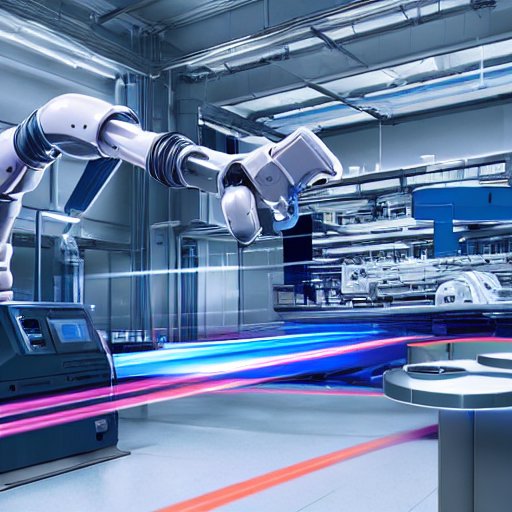
The SAP Executive’s Call to Action
The executive’s comments highlight a strategic pivot for Europe. Historically, the continent has been a powerhouse in manufacturing, with industries ranging from automotive to pharmaceuticals. However, the integration of AI has lagged behind the United States and China in some sectors. The SAP executive suggests that Europe must leverage its strengths in engineering and regulatory compliance to build a robust industrial AI ecosystem. This is not merely about adopting existing technologies but about developing proprietary solutions that align with European values. The statement emphasizes that industrial AI is the key to achieving the European Green Deal’s objectives. By optimizing energy consumption and reducing waste through AI-driven insights, European industries can lead the way in sustainable production. The executive also points to the need for investment in research and development, urging governments and private sectors to collaborate. This collaboration is essential to bridge the gap between academic research and practical industrial application. The SAP executive’s vision is clear: Europe must not just participate in the global AI race but define the standards for industrial AI.
Industrial AI vs. Generative AI
It is crucial to distinguish between industrial AI and generative AI, as they serve different purposes. Generative AI, such as large language models, excels at creating content, writing code, and generating images. While these tools are transformative, they do not directly optimize physical production lines. Industrial AI, on the other hand, focuses on predictive maintenance, quality control, and supply chain optimization. It uses machine learning models to analyze sensor data from machines, predicting failures before they occur. This proactive approach minimizes downtime and ensures consistent product quality. The SAP executive argues that Europe should focus on industrial AI because it directly impacts the economy and the environment. Generative AI is often seen as a consumer-facing technology, whereas industrial AI is the backbone of the economy. The integration of industrial AI into legacy systems is a complex challenge, requiring significant investment and expertise. However, the potential rewards are substantial, including increased productivity and reduced carbon footprints. Europe’s manufacturing base is vast, and upgrading it with industrial AI could create a new wave of economic growth.
The European Manufacturing Context
Europe’s manufacturing sector is characterized by a strong tradition of quality and innovation. Countries like Germany, France, and Italy are home to some of the world’s most advanced industrial facilities. These facilities are often part of larger supply chains that span multiple continents. The integration of industrial AI into these supply chains requires a coordinated approach. The SAP executive suggests that Europe should focus on developing a pan-European industrial AI platform. This platform would allow companies to share data and best practices, fostering a collaborative ecosystem. Such a platform would also help to standardize AI models, making them more interoperable and easier to deploy. The European Union’s Digital Product Passport initiative is another area where industrial AI can play a role. By tracking the lifecycle of products, AI can ensure compliance with environmental regulations and promote circular economy principles. The manufacturing context in Europe is also influenced by labor dynamics. There is a need to upskill the workforce to work alongside AI systems. This requires investment in education and training programs. The SAP executive emphasizes that the human element is crucial. AI should augment human capabilities, not replace them. This human-centric approach is a core value of European industry.

Challenges and Opportunities
Despite the potential, there are significant challenges to be addressed. One major hurdle is the availability of talent. Europe faces a shortage of AI specialists, particularly those with expertise in industrial applications. This talent gap is exacerbated by competition from other regions offering higher salaries. To address this, Europe must invest in education and attract global talent. Another challenge is the integration of AI with legacy systems. Many European factories still rely on older machinery that lacks the connectivity needed for AI. Retrofitting these systems is costly and time-consuming. However, the opportunity lies in developing modular AI solutions that can be easily integrated. The SAP executive suggests that open-source AI models could play a role here. By building on open-source foundations, companies can reduce costs and accelerate deployment. Another challenge is data privacy and security. Industrial AI relies on vast amounts of data, which must be protected from cyber threats. The European Union’s General Data Protection Regulation (GDPR) sets a high bar for data privacy. Companies must ensure that their AI systems comply with these regulations. This compliance requirement can be a competitive advantage, as it builds trust with customers. The opportunity is to create AI systems that are secure by design. This requires collaboration between industry and academia to develop robust security protocols.
Policy and Regulation
Policy and regulation play a critical role in shaping the industrial AI landscape. The European Union’s AI Act is a landmark regulation that aims to ensure the safety and transparency of AI systems. While this regulation is necessary, it must not stifle innovation. The SAP executive argues that the EU should adopt a risk-based approach, focusing resources on high-risk applications while allowing flexibility for lower-risk ones. This approach would encourage innovation while maintaining safety standards. The regulation also needs to address the issue of data sovereignty. Europe must ensure that its data remains within its borders, protecting it from foreign exploitation. This is particularly important given the geopolitical tensions surrounding AI. The EU should also promote the development of European AI standards. By setting the standards, Europe can influence the global market. This would also help to create a level playing field for European companies. The SAP executive suggests that the EU should establish a European AI Institute. This institute would serve as a hub for research and development, bringing together industry, academia, and government. Such an institute would accelerate the deployment of industrial AI and foster collaboration.
Conclusion
The call from the SAP executive is a clarion call for Europe to seize the opportunity in industrial AI. The continent’s manufacturing heritage, commitment to sustainability, and strong regulatory framework provide a solid foundation for leadership. However, realizing this potential requires concerted effort from all stakeholders. Governments must provide support through funding and policy. Industry must invest in R&D and talent development. Academia must focus on training the next generation of AI specialists. The integration of industrial AI is not just a technological upgrade but a strategic imperative for Europe’s economic future. By embracing industrial AI, Europe can maintain its competitive edge and contribute to a sustainable global economy. The path forward is clear, but it requires action. Europe must act now to ensure it does not fall behind in the global AI race. The time to embrace industrial AI is now.