In the modern era, technology has ceased to be a mere luxury and has become an integral part of the human experience. From the moment we wake up to the moment we sleep, gadgets and digital tools influence our decisions, our health, and our interactions with the world. The smartphone in our pocket is not just a communication device; it is a portal to information, a health monitor, a wallet, and a camera. This ubiquity raises questions about dependency, privacy, and the very nature of our daily routines. As we navigate this digital landscape, understanding the role of these devices is crucial for maintaining a balanced life. This article explores how technology permeates every aspect of our existence, from communication and health to home management and work, examining both the profound benefits and the challenges we face.
Communication and Connectivity
The most immediate impact of technology is seen in how we communicate. Smartphones have revolutionized the way we connect with friends, family, and colleagues. Social media platforms allow us to maintain relationships across vast distances, while messaging apps provide instant access to information. However, this constant connectivity comes with a cost. The pressure to be always available can lead to burnout and anxiety. We often find ourselves checking our phones compulsively, disrupting our focus and mental peace. The line between work and personal life blurs as notifications from professional channels invade our leisure time. Despite these challenges, the ability to coordinate logistics, share memories, and support one another in real-time remains unparalleled. The challenge lies in managing this connectivity intentionally, ensuring it serves us rather than controls us. We must learn to disconnect to reconnect, setting boundaries that protect our mental well-being while still leveraging the benefits of global connection.

Health and Wellness Monitoring
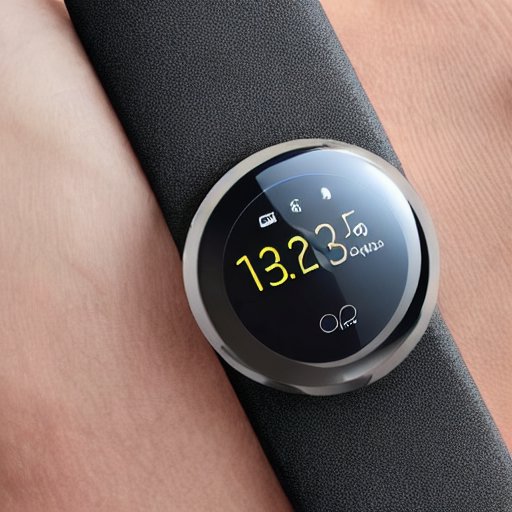
Wearable technology has transformed personal health management. Devices like smartwatches and fitness trackers monitor heart rate, sleep patterns, and activity levels, providing data that helps users make informed decisions about their well-being. This data-driven approach to health encourages proactive lifestyle changes, such as increasing daily steps or improving sleep hygiene. However, the reliance on these devices can sometimes create an unhealthy obsession with metrics. Users may feel anxious if they miss a step goal or if their sleep score is not perfect. Furthermore, the accuracy of these devices varies, and relying solely on them without professional medical advice can be risky. Despite these nuances, the democratization of health data empowers individuals to take charge of their wellness. It bridges the gap between clinical medicine and daily life, making health tracking accessible to everyone, not just those with expensive medical equipment.
Home Automation and Convenience
Smart home technology has redefined domestic life. Voice assistants control lighting, temperature, and security systems, offering unprecedented convenience. A smart thermostat learns our habits to optimize energy usage, while smart locks provide security without the need for physical keys. These devices integrate to create a seamless living environment where tasks are automated. For example, lights can turn on automatically when motion is detected, or music can play when a specific room is entered. This automation saves time and reduces mental load, allowing us to focus on more meaningful activities. However, it also introduces vulnerabilities. A compromised smart home system could expose private data or disrupt essential functions like security or heating. Balancing convenience with security is essential. Manufacturers must prioritize robust encryption and regular updates to protect users from cyber threats.

Work and Productivity Tools
The workplace has evolved significantly due to technological advancements. Laptops, tablets, and cloud computing enable remote work, offering flexibility that was previously unimaginable. Collaboration tools allow teams to work together in real-time, regardless of their physical location. This shift has changed the nature of employment, allowing people to work from home or co-working spaces. While this offers freedom, it also requires strong self-discipline and time management skills. The digital divide remains a concern, as not everyone has access to high-speed internet or modern hardware. This inequality can hinder career progression for those in underserved areas. Companies must ensure equitable access to tools to foster a truly inclusive workforce. Additionally, the blurring of work and home life requires clear boundaries to prevent burnout.

Entertainment and Digital Leisure
Gadgets have also transformed how we consume entertainment. Streaming services, gaming consoles, and virtual reality headsets offer immersive experiences that were once the domain of cinema or arcades. This accessibility allows for personalized content consumption, where algorithms suggest movies or games based on our preferences. While this enhances enjoyment, it can also lead to echo chambers where we only see content that aligns with our existing views. Gaming, in particular, has become a major social activity, with online multiplayer games connecting friends globally. However, excessive screen time can impact physical health and social interaction. It is important to engage with technology mindfully, ensuring that entertainment does not replace real-world experiences. Finding a balance between digital leisure and physical activity is key to a healthy lifestyle.
Conclusion
The role of gadgets and technology in our daily lives is undeniable and multifaceted. They enhance our communication, monitor our health, automate our homes, and empower our work. However, they also present challenges regarding privacy, mental health, and social balance. As we continue to integrate these tools into our routines, it is vital to remain conscious of their impact. We must advocate for ethical design, digital literacy, and healthy boundaries. The future of technology should serve humanity, not the other way around. By using these tools intentionally, we can harness their benefits while mitigating their risks. The goal is not to reject technology but to master it, ensuring it supports a fulfilling and balanced life. As we move forward, the conversation must shift from mere adoption to thoughtful integration, ensuring that our digital existence enhances our humanity rather than diminishing it.