The landscape of artificial intelligence has undergone a seismic shift over the last few years, moving from experimental novelty to foundational infrastructure. As we navigate into 2026, the conversation is no longer about whether AI will transform industries, but rather how deeply it has already embedded itself into the fabric of global commerce and daily life. The year 2026 marks a pivotal moment where the initial hype cycle matures into tangible value creation. We are witnessing the emergence of a new generation of startups that have successfully bridged the gap between theoretical models and practical, scalable solutions. These companies are not merely building chatbots or image generators; they are constructing the nervous system for the next decade of digital evolution.
The market capitalization of AI-focused entities has stabilized after the volatility of previous years, allowing investors to focus on unit economics and long-term sustainability rather than just user acquisition metrics. This maturity is evident in the diverse sectors represented by the top innovators. From healthcare diagnostics that can predict patient deterioration before symptoms appear, to financial algorithms that manage risk with unprecedented precision, the scope of application is vast. However, the true story lies not just in the technology itself, but in how these startups are addressing the ethical and regulatory challenges that accompany such powerful tools. The leaders of 2026 are those who have built trust alongside their products.
In this comprehensive analysis, we explore the defining sectors driving this revolution. We will examine the specific breakthroughs occurring in healthcare, finance, creative industries, and autonomous systems. Understanding these dynamics is crucial for investors, policymakers, and business leaders alike. The following sections detail the key areas where innovation is accelerating, providing a roadmap for understanding the competitive landscape of 2026.
Healthcare: Precision Medicine and Diagnostic Breakthroughs
The healthcare sector remains one of the most critical beneficiaries of artificial intelligence integration. In 2026, startups in this domain are moving beyond simple image analysis to holistic patient management systems. These platforms utilize multimodal data processing, combining genomic information with real-time wearable sensor data to create dynamic health profiles for individuals. This shift allows for truly personalized medicine, where treatment plans are adjusted continuously based on the patient’s physiological state rather than static protocols.
One of the most significant developments is in drug discovery. Traditional methods can take over a decade and billions of dollars to bring a new medication to market. AI-driven startups have compressed this timeline significantly by simulating molecular interactions in silico before physical testing begins. This reduction in time and cost is vital for addressing global health crises, from rare diseases to pandemics. Furthermore, diagnostic tools are becoming more accessible. Portable devices powered by edge AI can now detect early signs of conditions like cancer or neurological disorders in remote areas where specialist doctors are scarce.
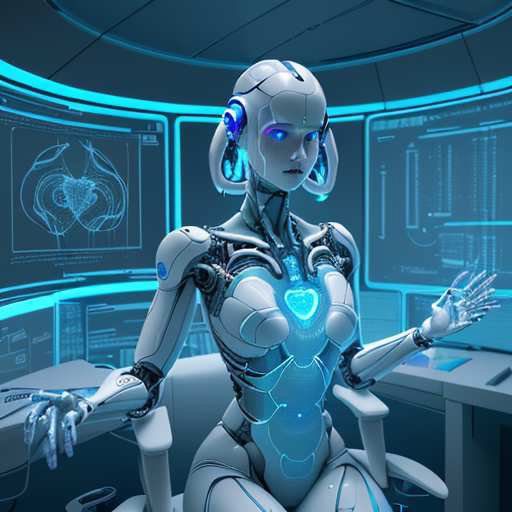
The integration of AI into surgical procedures is another frontier. Robotic systems guided by machine learning algorithms can perform tasks with a level of precision that surpasses human capability, reducing recovery times and improving outcomes. However, the regulatory environment is evolving to ensure patient safety remains paramount. Startups are investing heavily in explainable AI models, ensuring that doctors understand why an algorithm recommends a specific course of action. This transparency is essential for gaining the trust of medical professionals and patients alike. As we look toward 2027 and beyond, the convergence of biology and code promises to unlock new frontiers in human longevity and quality of life.
Finance: Algorithmic Trading and Risk Management
The financial services industry has long been a pioneer in adopting technology, but 2026 represents a new era defined by generative AI and predictive analytics. Startups in this space are leveraging large language models to automate complex compliance tasks, reducing the burden on human analysts while maintaining strict adherence to global regulations. Fraud detection systems have evolved from rule-based engines to adaptive networks that learn from emerging threat patterns in real-time. This capability is crucial as cybercriminals utilize AI to craft more sophisticated attacks against banking infrastructure.
Algorithmic trading has also seen a paradigm shift. Traditional quantitative models are being augmented with natural language processing tools that can interpret news sentiment and geopolitical events instantly. This allows hedge funds and investment banks to react to market-moving information faster than ever before. However, this speed introduces new risks regarding market stability. Regulators are closely monitoring these systems to prevent flash crashes caused by correlated AI agents making simultaneous decisions.

Personal wealth management is another area seeing rapid growth. Robo-advisors are becoming more sophisticated, offering financial planning that considers a client’s unique life goals and risk tolerance with a level of nuance previously reserved for human advisors. These platforms use AI to simulate different economic scenarios, helping users prepare for inflation or market downturns proactively. The democratization of high-level financial intelligence is empowering individuals who were previously underserved by traditional banking institutions. As the technology matures, we expect to see further integration with decentralized finance protocols, creating hybrid models that offer both security and innovation.
Creative Industries: Generative Tools and Intellectual Property
The creative economy has been transformed by generative AI, moving from a tool for assistance to a collaborator in the creative process. In 2026, startups are focusing on platforms that allow artists, writers, and designers to maintain full control over their intellectual property while utilizing AI for ideation and execution. This addresses one of the most contentious issues in the industry: copyright and ownership. New legal frameworks are emerging to define how AI-generated content is licensed and monetized.
Video production has been revolutionized by tools that can generate realistic backgrounds, characters, and dialogue with minimal input from human actors. This lowers the barrier to entry for independent filmmakers and allows for rapid prototyping of visual concepts. However, the industry is grappling with the displacement of certain roles. Startups are responding by creating upskilling platforms that teach traditional artists how to work alongside AI models rather than compete against them. The goal is augmentation, not replacement.
Music composition is another field seeing significant innovation. AI systems can now generate entire symphonies or pop tracks that adhere to specific stylistic constraints, allowing composers to explore new harmonic structures without years of training. This technology is being used in gaming and interactive media to create dynamic soundtracks that change based on player actions. The challenge lies in ensuring the output retains human emotional resonance. Startups are experimenting with hybrid workflows where AI handles technical complexity while humans provide the emotional direction.
Autonomous Systems: Logistics and Smart Infrastructure
Autonomous systems are reshaping how goods move through the global supply chain. In 2026, logistics startups are deploying fleets of self-driving trucks that navigate highways without human intervention, significantly reducing fuel consumption and driver fatigue. These vehicles communicate with each other via V2X (vehicle-to-everything) protocols to optimize traffic flow and prevent accidents. The impact on warehousing is equally profound, where autonomous mobile robots coordinate to pick and pack orders with speed and accuracy that eliminates human error.
Smart city infrastructure is another major application area. AI-powered systems manage energy grids to balance supply and demand in real-time, integrating renewable sources more effectively. Traffic management algorithms adjust signal timing dynamically based on pedestrian flow and emergency vehicle proximity, reducing congestion and emissions. These systems require robust cybersecurity measures to prevent manipulation by malicious actors. Startups are developing specialized security layers that protect the control networks of autonomous infrastructure from external threats.

The deployment of drones for last-mile delivery is expanding rapidly, particularly in rural areas where ground transportation is difficult. These aerial vehicles are equipped with AI navigation systems that can avoid obstacles and weather conditions autonomously. This capability opens up new markets for e-commerce in remote regions. However, noise pollution and privacy concerns regarding surveillance capabilities are driving the development of quieter motors and encrypted data streams. Regulatory bodies are working to establish clear guidelines for airspace usage as the number of operational drones increases exponentially.
Enterprise Solutions: Workflow Automation and Cybersecurity
Enterprise software is undergoing a massive transformation as AI agents begin to handle complex workflows that previously required human intervention. In 2026, these systems can manage entire departments, from scheduling meetings to processing invoices and managing customer support tickets. This shift allows employees to focus on high-value tasks that require creativity and strategic thinking rather than repetitive administrative work. The integration of these tools into legacy enterprise systems is a key challenge for startups, requiring APIs that are robust and easy to implement without disrupting existing operations.
Cybersecurity remains a top priority as AI-driven attacks become more common. Startups in this space are building defense systems that can detect and neutralize threats before they cause damage. These systems use adversarial training where they simulate attacks against their own models to identify weaknesses. This proactive approach is essential for protecting sensitive corporate data and maintaining customer trust. The rise of deepfakes has also necessitated new verification tools that can authenticate digital content, ensuring that communications within an organization are genuine.

Conclusion: The Path Forward
As we conclude our examination of the top AI startups of 2026, it becomes clear that the technology is no longer a standalone product but an integrated layer of reality. The companies leading this charge are those that prioritize ethical development alongside technical innovation. They understand that the future of AI depends on public trust and responsible governance. Investors are increasingly looking for founders who demonstrate a commitment to these principles, as sustainability and ethics become key differentiators in a crowded market.
The next decade will likely see further consolidation in the industry, with smaller startups being acquired by larger tech giants or forming strategic partnerships to share infrastructure costs. This evolution will drive down costs and make AI capabilities more accessible to small businesses and non-profits. The potential for positive impact is immense, from solving climate change through optimized energy grids to improving education through personalized learning platforms.
For the stakeholders involved, whether developers, investors, or policymakers, the message is one of cautious optimism. The technology is powerful, but its trajectory depends on the choices made today. By supporting startups that focus on human-centric applications and robust safety measures, we can ensure that AI serves as a tool for empowerment rather than displacement. The journey toward 2030 and beyond requires continued collaboration between academia, industry, and government to navigate the complexities of this new digital age. The innovations highlighted here represent just the beginning of a much larger transformation that will define the next generation of human progress.