
The digital landscape has fundamentally transformed the way modern militaries operate, communicate, and project power. In an era where information is as critical as ammunition, the migration of sensitive defense data to cloud environments is no longer a luxury—it is a strategic necessity. However, this transition brings with it unprecedented risks. As state-sponsored actors and sophisticated cyber-criminal organizations target government infrastructure, the United States has introduced rigorous new national security policies specifically designed to secure cloud-based defense infrastructure. These policies aim to balance the need for high-speed, scalable computing with the absolute requirement of uncompromising security for national defense assets.
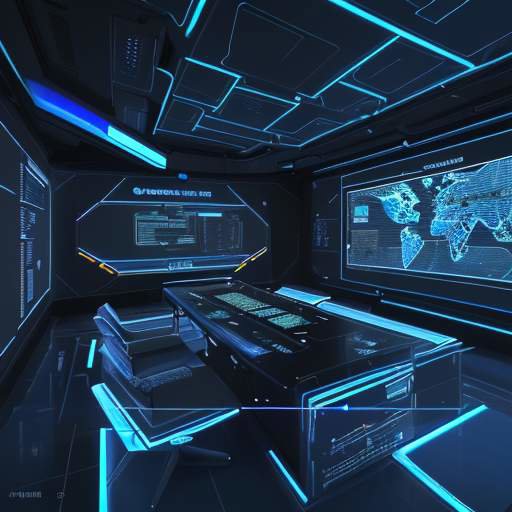
The Evolution of Defense Infrastructure and the Cloud Shift
Historically, military intelligence and operational data were kept on "air-gapped" systems—isolated computers not connected to the public internet. While this provided a high level of security, it severely limited the ability of commanders to share real-time data across different branches or with allied nations. The shift toward cloud computing was driven by the need for "Joint All-Domain Command and Control" (JADC2), which requires seamless data integration across land, sea, air, space, and cyber domains.
The challenge lies in the fact that cloud environments are inherently interconnected. To mitigate this, the new US national security policies emphasize a transition from perimeter-based security to identity-centric security. Instead of simply building a "wall" around the network, the focus is now on securing every individual user, device, and application within the cloud ecosystem. This shift acknowledges that in modern warfare, the perimeter is fluid, and threats can originate from inside or outside the network at any moment.
The Core Pillars: Zero Trust Architecture (ZTA)
At the heart of the new policy framework is the adoption of Zero Trust Architecture (ZTA). Under Zero Trust principles, no user or device is trusted by default, regardless of their location relative to the corporate or military network. Every request for access to a cloud resource must be authenticated, authorized, and encrypted before access is granted.

Zero Trust involves several critical components:
- Multi-Factor Authentication (MFA): Moving beyond simple passwords to include biometric data and physical security keys.
- Least Privilege Access: Ensuring that users only have access to the specific data and systems required to perform their immediate tasks.
- Continuous Monitoring: Real-time analysis of user behavior to detect anomalies that might indicate a compromised account or an insider threat.
By implementing these pillars, the Department of Defense (DoD) aims to create a "hardened" cloud environment where even if a single point of entry is compromised, the damage is contained and cannot spread across the entire defense infrastructure.
Data Sovereignty and Residency Requirements
One of the most critical components of the new national security policies is the strict regulation of where data is stored and who has physical or logical access to it. In the context of national defense, "Data Sovereignty" means that sensitive information must remain within specific geographic boundaries and under the jurisdiction of U.S. law.
The government is moving toward "Sovereign Cloud" models. These are cloud environments specifically designed for government use, where the physical hardware, the software layers, and the personnel managing the systems are vetted and cleared by the government. This prevents foreign entities or unauthorized third-party providers from gaining access to sensitive data through backdoors or legal subpoenas in other jurisdictions.
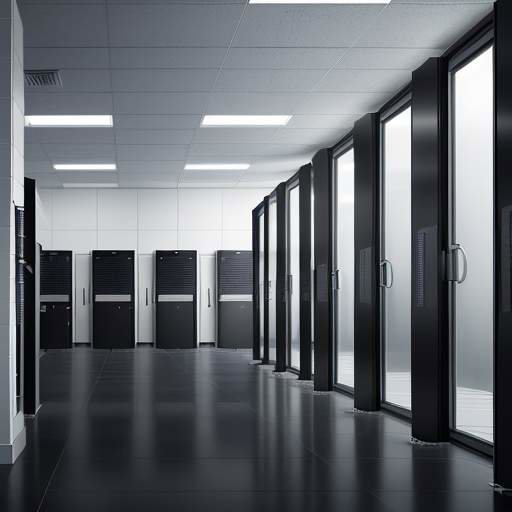
To ensure compliance, these clouds must meet stringent standards, such as FedRAMP (Federal Risk and Authorization Management Program) High Baseline. These certifications ensure that the cloud service provider (CSP) adheres to rigorous security controls regarding encryption, incident response, and physical security. By mandating these standards, the U.S. ensures that its move to the cloud does not compromise the integrity of its most sensitive secrets.
Mitigating Advanced Persistent Threats (APTs)
The threat landscape for defense infrastructure is dominated by Advanced Persistent Threats (APTs)—highly organized, often state-sponsored groups that engage in long-term, targeted cyberattacks. These actors seek to exfiltrate intelligence, disrupt communications, or sabotage critical infrastructure.
The new policies mandate the use of AI-driven threat detection systems within cloud environments. Because human analysts cannot monitor millions of data packets in real-time, machine learning algorithms are deployed to identify patterns indicative of an APT. These systems can detect "low and slow" attacks—where an intruder moves slowly through a network to avoid triggering traditional alarms—by analyzing behavioral anomalies across the entire cloud infrastructure.

Furthermore, the policy emphasizes "Resilience." This means that even if a portion of the cloud infrastructure is compromised or taken offline by a cyberattack, the remaining systems must be able to function. This involves automated failovers, redundant data paths, and "self-healing" network protocols that can isolate infected segments of the network automatically, ensuring that mission-critical operations continue uninterrupted.
Public-Private Partnerships and the Role of CSPs
The U.S. government does not build its own cloud infrastructure from scratch; it relies on massive commercial providers like Amazon, Microsoft, and Google. However, the new national security policies redefine the terms of these partnerships. While these companies provide the scale and innovation, the government mandates a "separation of concerns."
In a "GovCloud" environment, the physical hardware and the management layer are logically and sometimes physically isolated from the public-100% commercial cloud. This ensures that a bug or security lapse in a commercial application does not spill over into the defense environment. These policies also require that the software supply chain be scrutinized. Every piece of code, from the underlying hypervisor to the front-end application, must be audited to ensure no "backdoors" are present in the software provided by third parties.
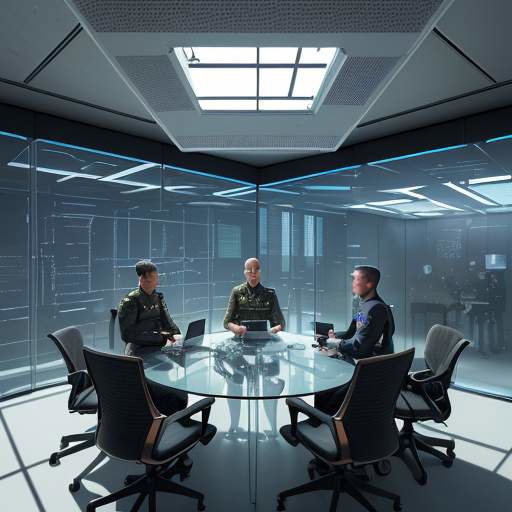
By establishing these rigorous standards, the government ensures that private sector innovation can be harnessed to enhance national security without exposing the nation’s most sensitive capabilities to risk. This creates a "trusted" ecosystem where the government can leverage the speed of the cloud while maintaining the ironclad security of traditional defense systems.
Conclusion: The Future of Secure Defense Clouds
The transition to cloud-based defense infrastructure is one of the most significant technological shifts in modern military history. By implementing Zero Trust Architecture, enforcing strict data sovereignty, and utilizing AI-driven threat detection, the United States is building a digital fortress that can withstand the complexities of 21st-century warfare.
These new national security policies are not just about technology; they are about ensuring that the digital realm remains a space where the nation can defend its interests, protect its citizens, and maintain its strategic advantage. As cyber warfare continues to evolve, the integration of robust policy, advanced technology, and strategic partnerships will be the cornerstone of a secure and resilient national defense infrastructure. The cloud is no longer a distant frontier; it is the very ground upon which modern defense is built, and securing that ground is paramount to national survival.


















Recent Comments