
This article was published in 2014 and updated in October 2026.
As technology improves, so do the options for staying fit and healthy. Hospitals and healthcare providers invest heavily in advanced equipment, but health technology isn’t only for them — many affordable gadgets and apps can make a real difference in everyday life. Here are four technology solutions that can help you live healthier, updated for today.
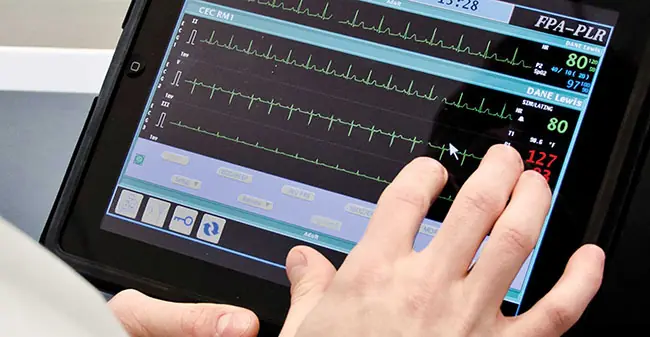
Health technology for everyone
Innovative technology doesn’t have to break the bank. Most of the tools below cost little or nothing — many are already on your phone.
1. Smartphones and health apps
Your smartphone can do far more than keep you in touch with friends. Built-in apps such as Apple Health and Google’s Health Connect bring together data on steps, workouts, sleep and nutrition, and countless apps help with calorie counting, running, strength training, meditation or reminders to take medication. Used well, they help you stay focused and motivated.
2. Smartwatches and fitness trackers
Wearables have become the most popular health gadgets. They count steps, track workouts and heart rate and can motivate you to move more. Many smartwatches go further: some can record an ECG, warn about an irregular heart rhythm that may indicate atrial fibrillation, detect falls and call for help automatically. They don’t replace a doctor, but they can give an early hint that a check-up is a good idea.
3. Sleep tracking and smart alarms
How you feel in the morning depends a lot on when you wake up. Your body cycles through light and deep sleep phases several times a night, and being woken during a light phase feels much better than being jolted out of deep sleep. Smart alarms in sleep apps, smartwatches and some bedside devices wake you within a set window when you’re sleeping lightly. Sleep tracking can also reveal habits that hurt your rest — though the most important factor is still getting enough sleep regularly.
4. Online communities and telehealth
Weekly weight-loss classes have moved online: apps and websites offer communities where you can share progress, join challenges and stay motivated. Telehealth services and video consultations make it easier to get medical advice without a trip to the waiting room. For more ideas, see our article on tech-savvy health options.
What about e-cigarettes?
In 2014, this article praised electronic cigarettes as a breakthrough health innovation. The picture today is more nuanced. Research reviews, including those by the Cochrane collaboration, have found that nicotine e-cigarettes can help some smokers quit — more effectively than nicotine patches or gum. But vaping is not harmless: the vapour still contains nicotine, which is addictive, along with other substances whose long-term effects are not fully known. Health authorities agree that e-cigarettes are only worth considering as a tool to stop smoking, never as a habit for non-smokers or young people, and many countries restrict vaping indoors. If you want to quit, talk to your doctor or a quit-smoking service about the options that suit you best.
Health technology is everywhere these days — choose the tools that genuinely help you live better, and use them alongside regular medical check-ups.



















joe arrigo
Jul 24. 2014
These devises may help us get in better shape, but the driving force of “doing” will continue to be at the heart of success. No technology can replace that. It comes from within…the fire in the belly.