
The cloud computing landscape of 2026 is fundamentally different from the monolithic structures of the previous decade. We have entered an era characterized by "The Great Decoupling"—a strategic architectural shift where the layers of infrastructure, application logic, and data intelligence are no longer bundled into a single, monolithic provider ecosystem. Instead, enterprises are moving toward a "best-of-breed" model, selecting specialized platforms to handle specific workloads with maximum efficiency. At the forefront of this evolution are two titans: DigitalOcean and Snowflake. While they may seem to occupy different niches, their combined influence is redefining how modern applications are built, scaled, and monetized.
By decoupling the "engine" (the compute power required to run applications) from the "brain" (the data intelligence required to inform decisions), organizations are achieving a level of agility that was previously impossible. This post explores how DigitalOcean’s streamlined, developer-centric infrastructure and Snowflake’s revolutionary data architecture are creating a new blueprint for the modern cloud stack.
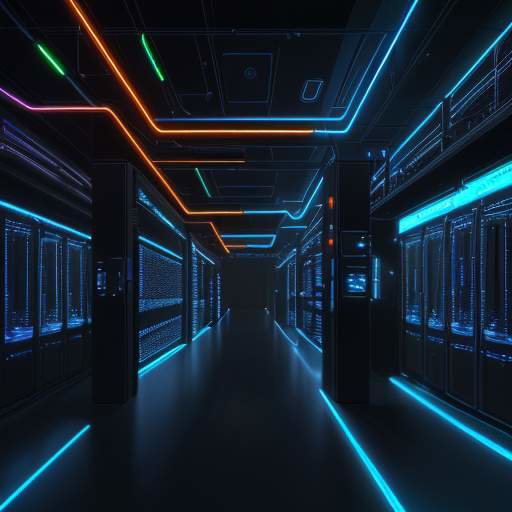
The End of the "One-Size-Fits-All" Cloud Era
For years, the prevailing wisdom in cloud architecture was to choose a single primary provider—Amazon Web Services (AWS), Microsoft Azure, or Google Cloud Platform (GCP)—and build everything within that ecosystem. While these "hyper-scalers" offer massive capabilities, they often come with significant complexities, high costs for unused features, and the looming threat of vendor lock-in.
By 2026, the limitations of this monolithic approach have become clear. Developers are finding that managing a massive, all-encompassing cloud environment just to run a specific application is inefficient. This realization has birthed the "Decoupling" movement. Instead of a single provider providing everything from basic hosting to complex data warehousing, companies are opting for modularity. They want a high-performance compute environment where they can deploy code rapidly and a specialized data layer where they can analyze petabytes of information without worrying about the underlying hardware.
This shift is driven by two primary factors: cost optimization and speed of innovation. By choosing specialized partners like DigitalOcean for infrastructure and Snowflake for data, companies can pay only for the specific capabilities they need, while their engineering teams focus on building features rather than managing complex cloud configurations.
DigitalOcean: The Power of Purpose-Built Compute
As the "engine" of the modern application, compute power must be reliable, fast, and—most importantly—easy to manage. This is where DigitalOcean has carved out a dominant position in the decoupled landscape. Unlike some competitors who try to be everything to everyone, DigitalOcean focuses on providing a seamless experience for developers who need to get applications running quickly and reliably.
In 2026, the "Decoupling" means that the compute layer is no longer just about "renting a server." It is about creating a high-performance environment where developers can deploy containers, manage droplets, and scale resources with minimal friction. DigitalOcean’s infrastructure provides the "raw power" required to run modern web applications, microservices, and edge computing nodes.
For many companies, using DigitalOcean as their primary compute provider allows them to strip away the unnecessary complexity of a massive cloud suite. It offers a predictable pricing model and a streamlined interface that allows developers to focus on their core product. When you decouple the compute from the data, the "application layer" becomes more agile; it can scale horizontally across DigitalOcean’s global network while remaining independent of the heavy lifting required for complex data processing.
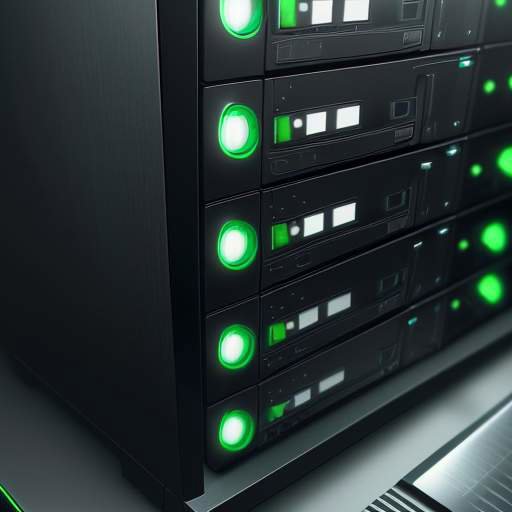
Snowflake: The Independence of the Data Layer
If DigitalOcean provides the engine, Snowflake provides the "brain." In the traditional cloud model, data was often trapped within the infrastructure where it was collected. If you wanted to analyze it, you had to move it, which created latency and security risks. Snowflake revolutionized this by creating a "Data Cloud" that effectively decouples storage from compute.
In Snowflake’s architecture, the data lives in its own ecosystem. It doesn’t matter where the application is running; the data can be accessed and queried through a high-performance layer that scales instantly. This is a cornerstone of the 2026 cloud strategy. By separating the data layer from the application infrastructure, companies can achieve "data sovereignty."
Snowflake allows organizations to store massive amounts of information—from structured SQL databases to semi-structured JSON files—and query them using various languages. Because it is independent of the underlying hardware, it can handle the heavy lifting of AI model training and real-time analytics without slowing down the primary application. This independence means that a company can use DigitalOcean to host their high-traffic mobile app while simultaneously using Snowflake to run complex machine learning models on the same data stream in real-time.

The Synergy of Decoupled Architectures
The true magic of the "Great Decoupling" happens at the intersection of these two platforms. When you combine DigitalOcean’s streamlined compute with Snowflake’s independent data layer, you create a "best-of-breed" stack that is both powerful and manageable.
Imagine a modern e-commerce platform in 2026. The frontend and backend services—the parts that handle user logins, shopping carts, and real-time inventory—run on DigitalOcean’s robust infrastructure. This ensures that the customer experience is fast and reliable. Simultaneously, the massive amounts of customer behavior data are fed into Snowflake. Here, the company can run sophisticated analytics to provide personalized recommendations, predict inventory needs, and detect fraudulent transactions.
Because these two systems are decoupled, a spike in traffic on the website (handled by DigitalOcean) doesn’t slow down the data analysis (handled by Snowflake). Conversely, a massive, resource-intensive query on the data side doesn’t impact the performance of the customer-facing application. This separation of concerns is the hallmark of modern software engineering; it allows for independent scaling, easier maintenance, and a much more resilient architecture.
Navigating the Multi-Cloud Reality in 2026
While the decoupled model offers immense benefits, it also requires a more sophisticated approach to networking and security. In the past, staying within one "walled garden" made security easier because everything was in one place. In the decoupled world of 2026, companies must master multi-cloud orchestration.
This means implementing robust identity and access management (IAM) that works across both DigitalOcean and Snowflake. It means establishing high-speed, secure pipelines to move data between the two environments. While this sounds complex, the tools available in 2026 have made this much easier. Modern API gateways and automated deployment scripts allow developers to manage these connections as part of their standard CI/CD (Continuous Integration/Continuous Deployment) pipelines.
Furthermore, this architecture offers a massive advantage in terms of "vendor leverage." By not relying on a single provider for both compute and data, companies have more power in negotiations and are less vulnerable to price hikes or service outages from any single entity. They can swap out components as technology evolves without having to rebuild their entire infrastructure from scratch.
The Role of AI in Orchestrating the Decoupled Stack
One might wonder how these two disparate systems "talk" to each other so seamlessly. The answer lies in the rise of AI-driven orchestration. In 2026, many companies use AI agents to monitor their multi-cloud environments. These agents can automatically detect a spike in demand on DigitalOcean and spin up more resources, while simultaneously ensuring that the data pipelines into Snowflake remain optimized and balanced.
AI acts as the connective tissue in the decoupled architecture. It manages the complexity of the "middle ground," ensuring that the transition between the application’s home (DigitalOcean) and its intelligence center (Snowflake) is invisible to the end user. This allows human engineers to step back from the "plumbing" of the internet and focus on high-level innovation, such as improving user experience or refining machine learning models.
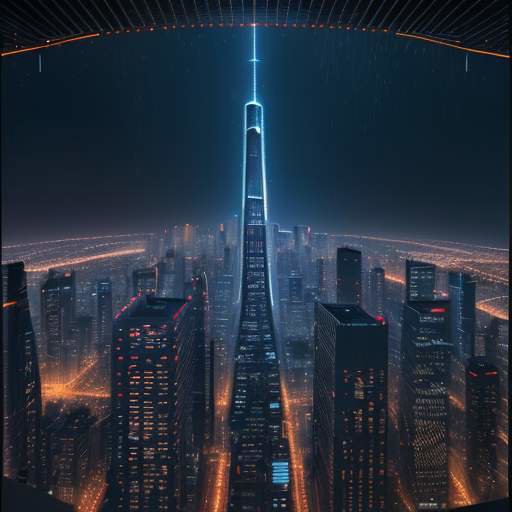
Conclusion: Embracing the Modular Future
The "Great Decoupling" is not just a trend; it is a fundamental shift in how we think about the architecture of the digital world. By moving away from monolithic "all-in-one" clouds and toward specialized, purpose-built platforms like DigitalOcean and Snowflake, organizations are finding a better way to build for the future.
DigitalOcean provides the agility and performance that developers crave for their core applications. Snowflake provides the scale and intelligence required to turn raw data into actionable insights. Together, they represent the two halves of a new, more efficient, and more powerful architecture. In 2026, the winners will be those who recognize that the most powerful systems are not built by trying to do everything in one place, but by connecting the best tools for each specific task.
The era of the monolith is ending. The era of the decoupled, modular, and highly specialized cloud is here. By embracing this architecture, businesses can build faster, scale further, and ultimately create more innovative experiences for their users in an increasingly complex digital landscape.



















Recent Comments